


Emergency Management in Australia: Practical Guide for Organisations
Overview: Why Emergency Management Matters in 2026 Since 2019, Australia has faced natural disaster events of increasing frequency and severity. The 2019-20 Black Summer bushfires burned over 10 million...
Risk Assessments: How Australian organisations can turn Compliance into Resilience
What a modern risk assessment really needs to do A risk assessment is a structured process for identifying potential hazards, evaluating their likelihood and consequence, and determining appropriate responses....

What is a business resilience strategy — and how do you build one?
Many organisations believe that having a business continuity plan makes them resilient. While business continuity is a critical part of preparedness, it is only one piece of a much...

Maritime Emergency Response Planning Explained
Ports, shipping operators, marine facilities and maritime infrastructure face a unique set of operational risks. From vessel collisions and fuel spills to severe weather events, onboard fires, hazardous material...
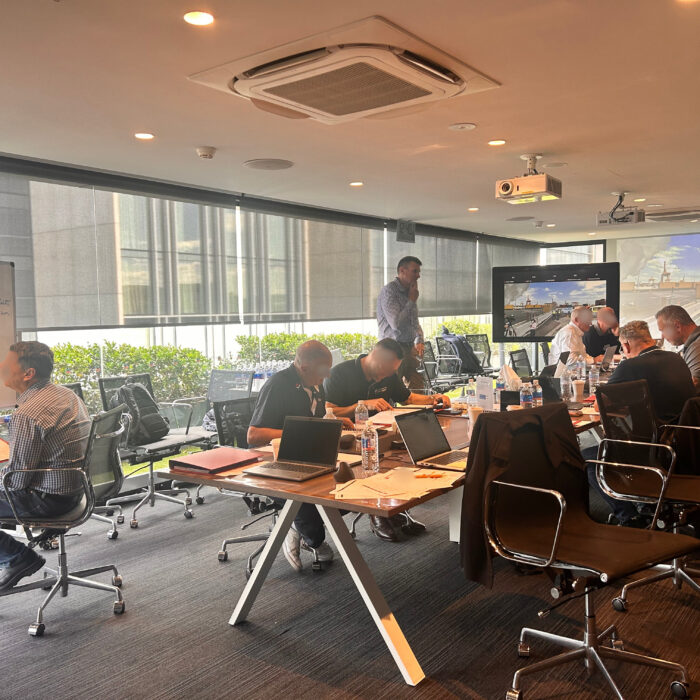
Types of Emergency Exercises
Emergency exercises are structured activities designed to test, validate, and improve an organisation’s ability to respond to emergencies, crises, and business disruptions. They provide a practical way to evaluate...

Emergency Management vs Business Continuity: What’s the Difference?
Organisations today face increasingly complex risks. Cyber incidents, natural disasters, infrastructure failures, supply chain disruptions, workplace incidents, and reputational crises can all impact operations with little warning. In this...
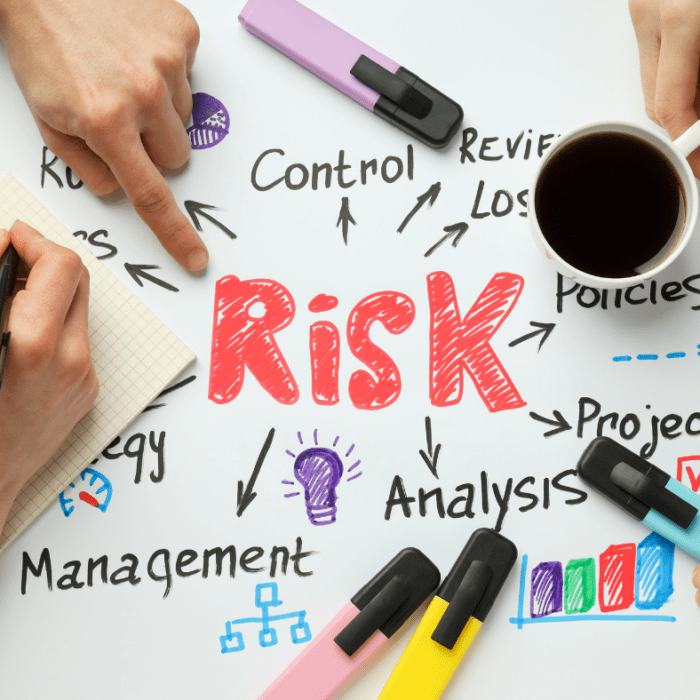
PPRR Model & Framework: Prevention, Preparedness, Response, Recovery
Understanding the PPRR Framework: A Strategic Approach to Emergency, Disaster, and Crisis Management Every organisation needs a proactive approach to the risks, emergencies, and disasters that can disrupt everyday...

When Does an Incident Become a Crisis?
Most organisational crises do not begin as full-scale emergencies. In many cases, they start as manageable operational incidents that gradually escalate beyond normal control measures. A small IT outage...

The 3 Stages of Crisis Management Explained
In today’s operating environment, disruptions are no longer rare events. Cyber incidents, supply chain interruptions, regulatory pressures, workplace safety issues, and reputational threats can all escalate rapidly if organisations...
Crisis Management vs Incident Management
In many organisations, the terms crisis management vs incident management are often used interchangeably. While both involve responding to disruptive events, they serve very different purposes and require different...

EOFY Business Resilience Review
As the end of the financial year (EOFY) approaches, many organisations begin reviewing budgets, assessing operational priorities, and planning investments for the year ahead. While technology upgrades, staffing, and...
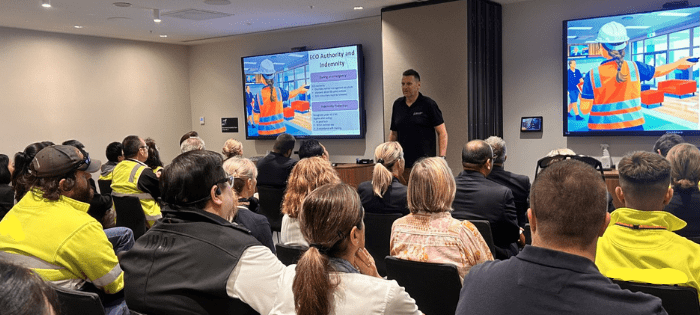
AS 3745 Warden & Chief Warden Training
The Importance of AS 3745:2010 Planning for Emergencies in Facilities Warden & Chief Warden Training An effective emergency response is never accidental. It relies on structured planning, clear leadership,...
Disaster Recovery Planning Services for Australian Organisations
Protect your organisation, minimise downtime, and recover with confidence.At Resilient Services, we help organisations across Melbourne and Australia create, implement, and refine disaster recovery plans that work in practice....

Types of Disruptions Organisations Face — And Why Planning Ahead Is Critical
Disruption Is No Longer Rare — It’s Constant In the past, disruption was viewed as an exception rather than the rule. Now, disruption is a constant that organisations face daily....

What to Expect From an Emergency Exercise or Simulation
Why Emergency Exercises Matter More Than Plans Most organisations have an emergency management plan. Far fewer have the capability to execute it under pressure. When an incident occurs, success...

ISO 22301 Explained: Building a Strong Business Continuity Management System
Why Business Continuity Is No Longer Optional Disruption is no longer a matter of if, but when. Organisations need to be ready to continue operating during challenges such as...

ISO 22320 Explained: The Standard for Effective Emergency Management
When Plans Aren’t Enough: The Reality of Emergency Response When an emergency occurs, having a plan isn’t enough.What really matters is how your organisation responds in real time: how...

Signs Your Organisation Is Not Prepared for a Crisis
Emergencies don’t arrive with warning. They disrupt operations, create uncertainty, and pressure decisions in unpredictable ways. Whether a cyber incident, infrastructure failure, regulatory issue, or natural hazard, organisations must...
Why Familiar Tools Improve Emergency Management Software and Crisis Response
The Tools You Know. The Calm You Need. Why Familiar Tools Help Teams Stay Calm When Everything Else Isn’t. Emergencies don’t announce themselves politely. They interrupt. They escalate. They create pressure. In...

Our Crisis Management Services
Protecting Your Organisation When It Matters Most Disruptions can strike any organisation—at any time—threatening operations, reputation, and stakeholder trust. From cyber incidents and regulatory investigations to natural disasters and...

What Is Business Resilience?
Why Resilience Matters for Modern Organisations in 2026 Organisations today operate in an environment shaped by constant uncertainty, facing disruptions ranging from cyber incidents and supply chain failures to...

What is a Crisis Management Plan?
What Is a Crisis Management Plan? In today’s business world, disruption is not just possible; it is expected. Cyber incidents, regulatory investigations, industrial accidents, infrastructure failures, and reputational issues...

What Is the Emergency Management Act 2013?
Understanding Victoria’s Legislative Framework for Managing Emergencies Emergencies such as bushfires, floods, pandemics, and critical infrastructure disruptions require more than a frontline response. They necessitate a clear governance structure,...

Emergency Management Act Victoria 2013 (Part 7A)
What Part 7A of the Emergency Management Act 2013 Means for Critical Infrastructure Organisations Victoria’s Emergency Management Act 2013 (Vic), introduced after major reviews and reforms following significant emergencies...

Emergency Preparedness: Protecting People, Business and Continuity
Linking emergency plans with organisational resilience Emergency preparedness is often seen as a safety obligation, simply to be documented and filed. In reality, it is a critical foundation of...

Leadership Roles in Emergency Planning & Response
From incident leaders to executive oversight When emergencies happen, having a plan is important, but strong leadership is even more crucial. The success of any emergency response depends not...

Security of Critical Infrastructure Act (SOCI) 2018 Explained
Understanding the Security of Critical Infrastructure Act 2018 (SOCI Act) Given the increasing threats posed by cyberattacks, geopolitical tensions, and disruptions to essential services, safeguarding national critical systems is...

The Hidden Workload Behind Emergency Management
Emergency management is fast-moving, complex and demanding. Information changes quickly. Priorities shift. Teams must stay aligned often across functions, locations and roles. What’s less visible is the amount of manual...

Victorian School Cyber Attack: A Wake-Up Call for Organisational Resilience
In mid-January 2026, a significant cyberattack struck Victoria’s government school system, exposing the personal information of thousands of students and reminding organisations everywhere of the critical importance of robust...

Proactive Risk Management: Why It’s Critical for Modern Business Resilience
Risk is no longer confined to isolated events or predictable scenarios. Modern organisations operate in environments shaped by climate volatility, cyber threats, regulatory complexity, supply chain fragility, and heightened...

Bushfire Emergency Response & Emergency Management Services
Bushfire events represent a material organisational risk for businesses operating in bushfire-prone environments. When unmanaged, post-incident impacts can escalate into prolonged disruption, regulatory exposure, and failure of critical business...

Emergency Management vs Crisis Management
Difference Between Emergency Management and Crisis Management – Why Both Are Essential A Resilient Services Perspective Emergency and crisis management are often conflated. In practice, they are very different...

Beyond the Tragedy: Recovery, Resilience and the Path Forward
Recent events at Bondi have left a profound mark on Australia. The loss of life, the trauma experienced by victims, families, witnesses and first responders, and the shock felt...
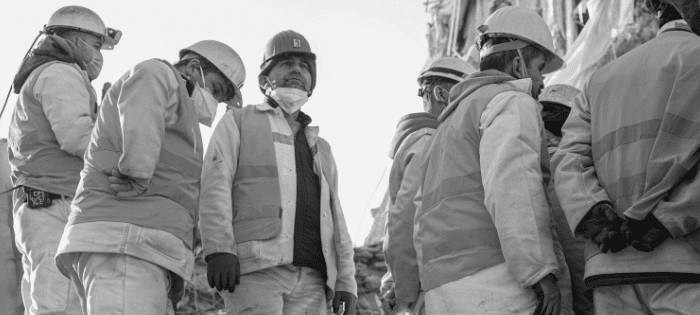
Trauma Response Framework
Building Organisational Resilience: Responding to Trauma in the Workplace What Is a Trauma Response Framework? A trauma response framework is an organisation-wide plan that outlines how employees are supported...

Cyber Resilience Management
Cyber Resilience Matters Too: What Happens When a Cyber Incident Strikes? A Cyber Incident Can Escalate in Minutes It often begins quietly, a login failure here, an unexpected error there....
A Smarter Emergency Management Tool
Emergency Management Is Broken — Here’s the Smarter, Simpler Fix When an emergency hits, teams move fast. Decisions need to be made, information needs to flow, and everyone needs to stay...
8 Common Types of Business Crises
Why Your Business Needs to Understand Crisis Types In a volatile business landscape, disruption can come from many directions — natural disasters, technology failure, supply‑chain breakdowns, regulatory upheaval, reputational...
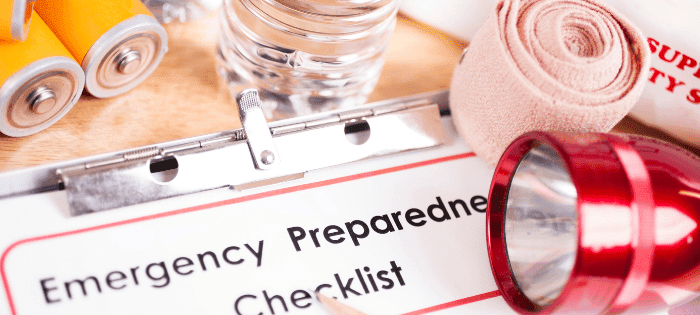
Why Every Organisation Needs an Emergency Management Plan (Not Just High-Risk Industries)
When most people think of emergency management, they picture high-risk environments like construction sites, manufacturing plants, or oil and gas operations. But the truth is far broader: every organisation,...
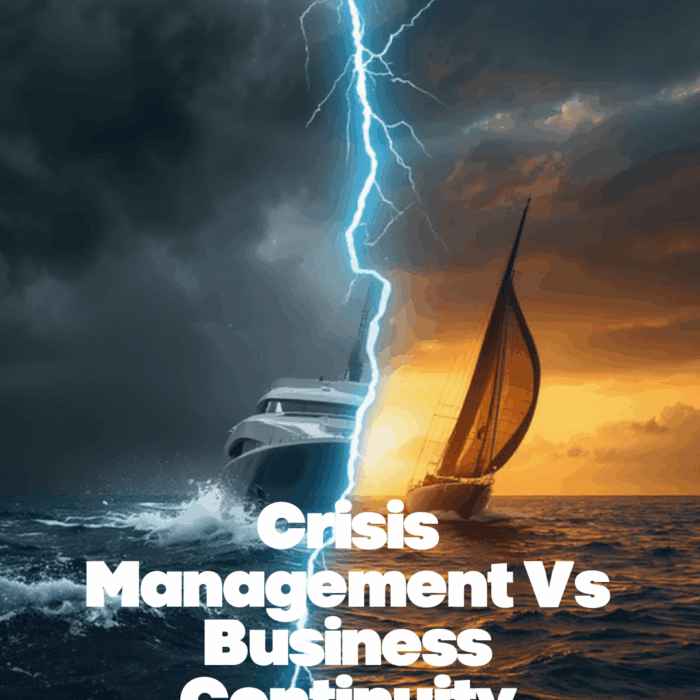
Crisis Management vs Business Continuity
Crisis Management Plan vs Business Continuity Plan: Understanding the Key Differences & Strategies No business is immune to disruption. Whether it’s a sudden cyberattack, a natural disaster, or a...

What is Emergency Management
What is Emergency Management A Complete Guide to Organisational Resilience In every organisation, some moments matter. A power outage shuts down critical machinery. A cyberattack brings IT systems to a halt....
Benefits of an Effective Crisis Management Framework
Why Crisis Management Is Essential For Organisations No organisation is immune to crisis. In an unpredictable world, every organisation faces the possibility of crisis — from cyber incidents and...
Top Emerging Risks That Organisations Need to Be Prepared for in 2026
As the global business landscape continues to evolve, 2026 is shaping up to be another year defined by uncertainty, complexity, and rapid change. From cyberattacks and climate-driven disasters to...
Why we created Bruce
When a crisis strikes, your team needs to act fast. But too often, the very tools designed to help end up slowing everything down — they’re costly, complicated, and...

Why Organisations Need Emergency Management Training
Emergency Management Training: Why Every Organisation Needs It — and Why Resilient Is the Right Partner Emergencies can strike without warning — from fires and chemical spills to power...

Cybersecurity Challenges in the Maritime Sector in 2025
Cybersecurity Challenges in the Maritime Sector Cybersecurity Challenges in the Maritime Sector and Crisis Management in the Digital Age In our increasingly connected world, the maritime sector is facing...

The Best Crisis Management Software Tool for Organisations
Why BRUCE Stands Out as A Leading Crisis Management Tool In today’s interconnected and unpredictable world, organisations face crises that can escalate rapidly—ranging from cyberattacks and supply chain disruptions...

Cyber Security Risk Management
If You’ve Been Hacked and Blame IT, You’re Only 30% Correct In the digital age, blaming the IT department for a cybersecurity breach is a common knee-jerk reaction. However,...

What is Business Continuity?
A Complete Guide to Business Continuity for Australian Businesses & Organisations What is Business Continuity? Business continuity refers to an organisation’s ability to maintain essential operations and services during...

Navigating Regulatory Compliance in Australian Ports
Regulatory Compliance in Australian Ports With Your Compliance Partner Ports are the lifeblood of Australia’s economy, facilitating the movement of goods, fostering trade, and supporting industries nationwide. However, with great...
4 Phases of Emergency Management
Building Resilience Through Strategic Emergency Management They may not be common, but emergencies are guaranteed to have an impact on your life at some point, and your business is...
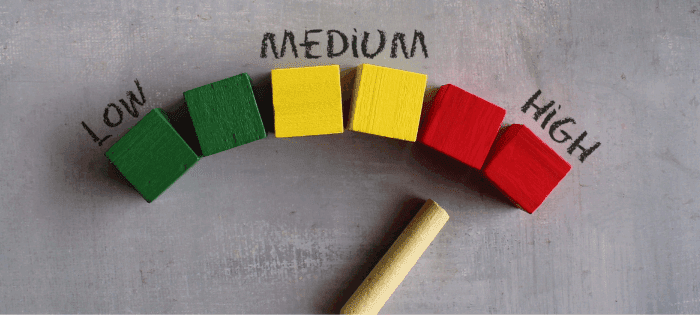
The Benefits of Risk Management Planning for Organisations
In 2026, risk management planning for businesses and organisations is no longer an optional extra—it’s a vital part of protecting your organisation’s future. By proactively identifying and addressing risks,...

Risk Mitigation Strategies
Risk management planning is a crucial tool that businesses use to minimise the occurrence or severity of disruptions to business operations. It allows businesses to effectively identify risks, analyse...

What is Risk Mitigation
In this blog, we’ll break down what risk mitigation involves, how it supports business continuity, and why it’s a critical investment for any organisation serious about long-term success. What...

Business Continuity Planning For Higher Education & Universities (BCP)
A Comprehensive Guide to University Business Continuity Planning (BCP): How Resilient Services Can Help! In today’s rapidly changing world, universities face an array of challenges that can disrupt their...

The SOCI Act: Late SOCI Or Regulatory Submission
Managing late regulatory submissions can be a challenging situation, but with careful planning, effective communication, and proactive steps, you can minimise the impact and work towards a successful resolution. ...
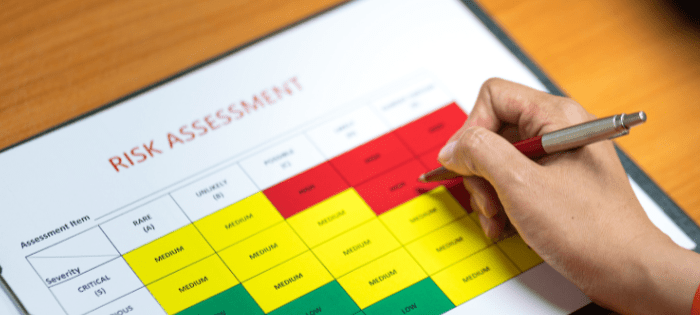
What is Risk Management?
What Is Risk Management? Risk management is the process of identifying, assessing, and mitigating potential threats that could negatively affect an organisation’s people, operations, assets, or reputation. Risk management...

Our Business Continuity Services
Safeguard Your Operations with Business Continuity Services from Resilient Services In today’s uncertain world, businesses must be prepared for disruption. From natural disasters to cyber-attacks, pandemics to power outages,...

Benefits of Business Continuity Planning
Business Continuity Planning (BCP) is about preparing your organisation to respond effectively to disruptions, recover quickly, and continue delivering essential products or services. Whether caused by natural disasters, cyberattacks,...

Benefits of an Emergency Management Consultant
Why You Need to Work with Emergency Management Consultants for Enhanced Preparedness! Have you ever wondered how you can ensure your organisation is ready to face any crisis head-on?...

5 Common Risk Assessment Mistakes
What Are the 5 Most Common Mistakes Made By Businesses During The Risk Assessment Process? A risk assessment is an integral component of risk mitigation, and it is an...

Flood Emergency Response Plan for Organisations
A robust flood emergency response plan is essential to protect people, minimise damage to critical assets, and maintain business continuity. For organisations operating in flood-prone regions or managing critical...

Business Resilience Strategies: How Organisations Can Thrive Amidst Uncertainty
In today’s volatile and fast-paced world, organisations are facing growing threats from all directions—global health crises, extreme weather events, cyberattacks, economic downturns, and shifting regulatory landscapes. Business leaders are...

In-House vs. Consultant: When and Why to Bring in Emergency Management Experts
As the risk landscape continues to evolve, from natural disasters to cyber threats and regulatory pressures, organisations must have robust emergency management capabilities. But when it comes to building...
Incident Management Software & Incident Management Systems
Why BRUCE Is the Smarter Choice for Australian Organisations For Streamlining Incident Response When disaster strikes—whether a workplace accident, IT outage, natural disaster, or reputational crisis—how your organisation responds...

What is a business continuity plan?
Everything You Need to Know About Business Continuity Plans We’ve all been affected by the COVID-19 pandemic. The global shutdown has had a major impact on small businesses, reminding...
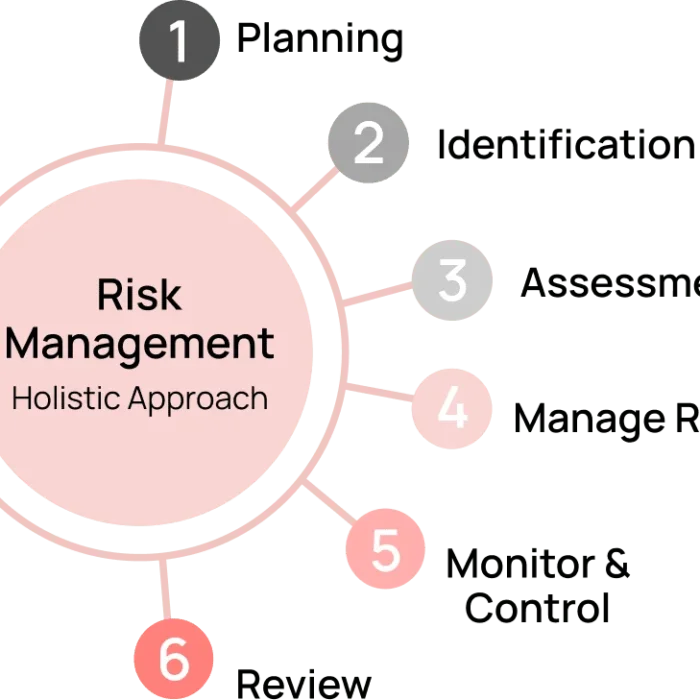
Our Risk Management Process & Approach
Mastering Risk Management: The Resilient Services Approach In today’s volatile business landscape, the difference between thriving and merely surviving often comes down to how effectively an organisation manages risk....

Business Continuity Software
How Business Continuity Planning Software Helps Organisations Stay Resilient In today’s fast-paced and unpredictable world, organisations face many risks— from cyberattacks and supply chain breakdowns to bushfires, floods, and...

What is Emergency Management Software?
What is Emergency Management Software, and Why Does Your Business Need It? Emergencies—whether natural disasters, workplace incidents, or cyber threats—can hit your business at any time. Being prepared isn’t...

Enterprise Risk Management
Enterprise Risk Management: What Is It and How Can We Tailor It to Suit Your Business? Introduction Enterprise Risk Management (ERM) is a structured approach that identifies, assesses, mitigates, and monitors...

Emergency Preparedness: Preparing Your Business & People
Emergencies can strike at any moment—without warning, without mercy, and often without a clear path to recovery unless you’re prepared. Whether it’s a natural disaster, cyberattack or financial emergency...
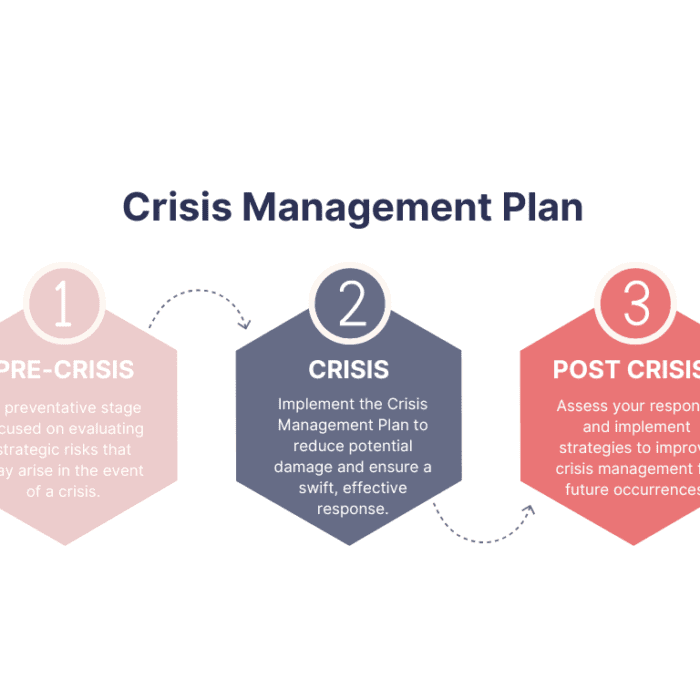
What is Crisis Management?
Building Resilient Strategies for Business Continuity Crisis management is the process organisations use to prepare for, respond to, and recover from unforeseen events, including operational disruption, financial crises, and...

AAR Meaning: What is AAR?
What is AAR: After Action Reviews Explained for Organisations An AAR** (After Action Review)** is a structured process used to evaluate what happened after an incident, emergency, project, or exercise so...
Cyclone Preparedness Plan For Councils
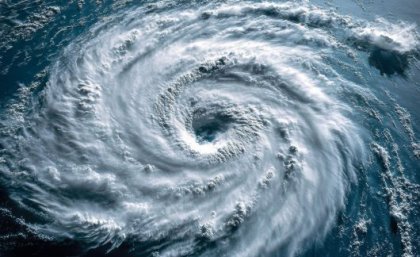
Cyclone Alfred is Approaching – We Have a Plan Ready for Your Council With Cyclone Alfred intensifying and expected to impact the coastline within days, councils must take immediate...

Risk & Crisis Management For The AFL & Sporting Organisations
The Importance of Risk and Crisis Management for Professional Sporting Clubs and Organisations In the high-stakes world of professional sports, success is determined by performance on the field and...

Business Continuity and Disaster Recovery
Safeguarding Your Organisation’s Future with Our Experts In Business Continuity and Disaster Recovery In today’s rapidly evolving business landscape, the ability to navigate unexpected disruptions isn’t just a competitive...
How After-Action Reviews Drive Emergency Preparedness: Lessons from the LA Fires
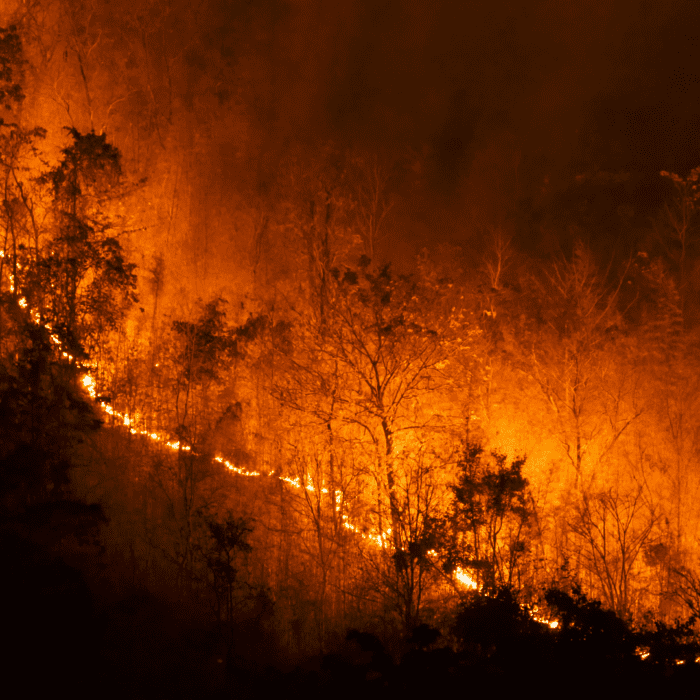
The devastating Los Angeles fires are a stark reminder of the unpredictable nature of disasters and the need for continuous improvement in emergency management. After-Action Reviews (AARs) play a...

Resilient Services 2024 Recap
As 2024 wraps up, we’re reflecting on an incredible year at Resilient Services—one filled with challenges, achievements, and growth. A Strong Start We kicked off the year with...

2024 in Review: Lessons in Resilience and What They Mean for 2025
As we close out 2024, we reflect on a year defined by resilience, adaptability, and innovation. At Resilient Services, we’ve witnessed businesses facing challenges head-on, transforming uncertainty into opportunity....

Future-Proof Your Business: The 2025 Risk & Resilience Checklist
As 2025 approaches, it’s the perfect time to prepare your business for the challenges ahead. Whether it’s economic shifts, supply chain disruptions, or natural disasters, you want to be...
Ready for Anything: How to Prepare for Bushfire and Cyclone Season
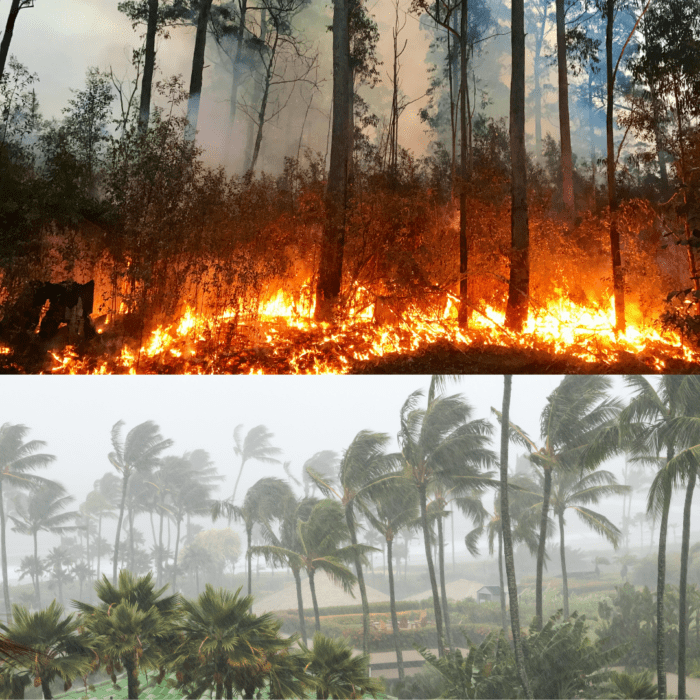
As spring unfolds in Australia, we find ourselves at a critical juncture in disaster preparedness. While bushfires can ignite in the dry heat, the cyclone and wet season looms...

Common Challenges of Crisis Management
Common Disconnects in Crisis Management: How to Stay on Track Picture this: a crisis hits your organisation, and instead of a smooth, coordinated response, you’re faced with chaos, confusion,...

Remote Work and Emergency Planning: How to Adapt to the Modern Way of Life
Remote Work Isn’t Just a Trend—It’s the New Normal As businesses embrace flexible work models, one critical question often gets overlooked: how do you handle emergency planning when your workforce...

5 Key Benefits of Conducting After-Action Reviews
When an emergency is resolved or a crisis subsides, it’s tempting to move forward without looking back. But what if there’s an opportunity to learn, improve, and strengthen your...
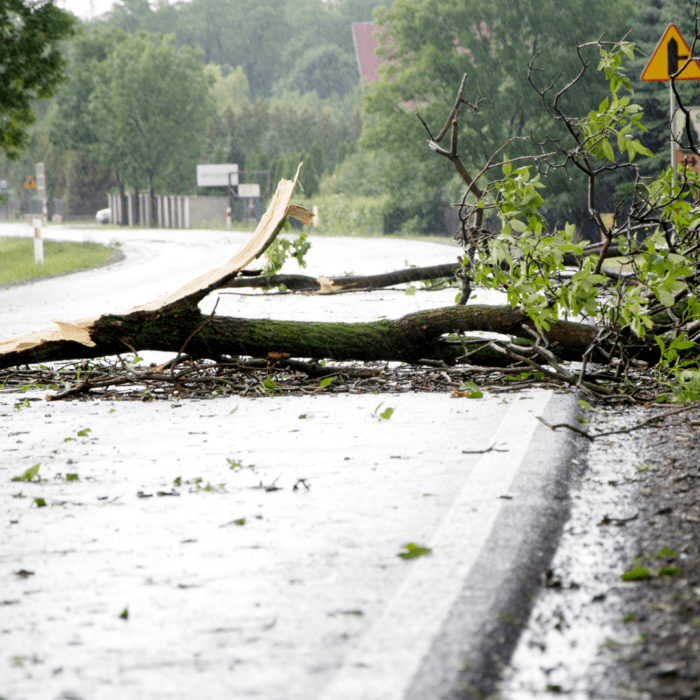
The Importance of Risk Assessments: Why We Postponed Today’s Team Bonding Day
In business, as in life, planning is everything. We make schedules, book venues, and look forward to the excitement of team bonding days that build camaraderie and refresh our...

When the Lights Go Out: How We Kept the Spark Alive During Today’s Power Outage
Our day at the Diamond Creek HQ kicked off with an unexpected twist—a power outage that left us in the dark right from the start. But instead of letting...

The High Stakes of Social Drinking: Protecting Your Business and Reputation
In the hustle and bustle of today’s work environment, building a strong, connected team is more important than ever. Socialising with colleagues can do wonders for morale and teamwork,...

Training for Success: Applying the Olympic Model to Business Continuity Planning
With the recent conclusion of the Olympics, the world is still buzzing with awe at the incredible feats of athleticism, determination, and resilience we witnessed. But what if I...

Strengthening Emergency Management Strategies for Your Organisation Amongst A Terror Threat
Australia’s Terror Threat Level Raised to “Probable” With the recent announcement that Australia’s terror threat level has been raised to “probable,” or a 50% chance of an attack in...
Building Business Resilience: Our Mission at Resilient Services
At Resilient Services, we empower our clients to minimise risks, ensure compliance, and adapt to disruptions while maintaining continuous operations and safeguarding people, assets, and reputations. Building resilience in...

Global Technology Outage Highlights the Critical Need for a Business Continuity Plan
In recent days, many have been impacted by a major that disrupted countless businesses and services across the globe. This unprecedented event has underscored the importance of having a...

Who We Are: Resilient Services
Hey there! Welcome to Resilient Services, your trusted partner for comprehensive risk, emergency, and disaster management solutions. We specialise in emergency management, business continuity planning (BCP), after-action reviews (AAR), emergency exercises, and compliance assurance. Guided by...
Critical Infrastructure Compliance
Is Your Business in Line with Critical Infrastructure Compliance Regulations? Are You a Responsible Entity under Part 7A of the Emergency Management (Vic) Act 2013 for Critical Infrastructure in...

The Importance of Fatigue Management in Emergency Management Situations
In the high-stakes world of emergency management, keeping operational efficiency and effectiveness is crucial. One often overlooked aspect of this is fatigue management. In fact, poorly managed fatigue is...

What is a Functional Desktop Emergency Exercise?
Understanding Desktop Stimulation Emergency Exercises What is a Functional Desktop Emergency Exercise? A Functional Desktop Emergency Exercise is a dynamic training tool designed to immerse key personnel in simulated...

Behind the Scenes – Planning and Executing Effective Emergency Exercises within Your Organisation
Are You Ready for an Emergency? Imagine a critical situation striking your organisation—whether it’s a natural disaster, a cyber-attack, or a fire. Are your teams prepared to respond effectively...

Harnessing After-Action Reviews for Continuous Growth
In the fast-paced world of organisational management, every success and shortcoming represent a pivotal moment that can either propel growth or hinder progress. Recognising and learning from these critical...
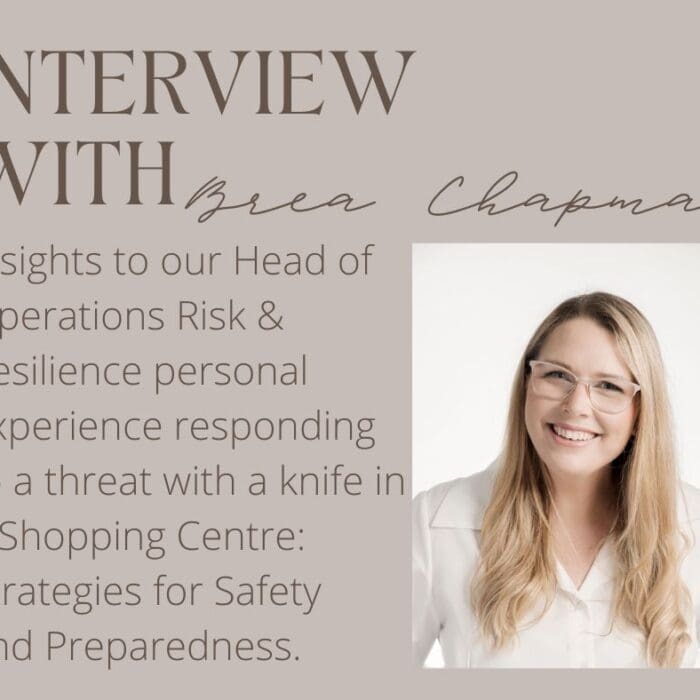
Strategies for Safety and Preparedness with Brea Chapman
Welcome, Brea, and thank you for joining me today for this interview. As our Head of Operations Risk and Resilience, your firsthand experience during the recent incident at the...
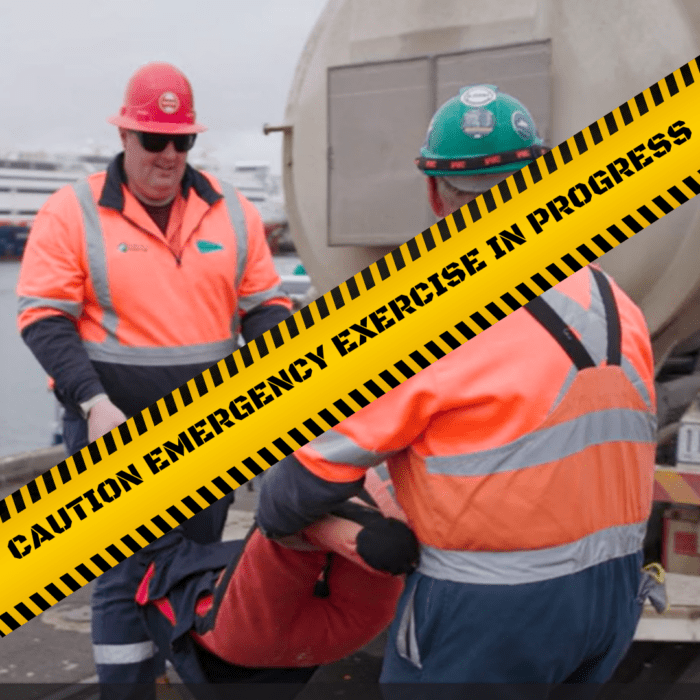
How can Emergency Exercises Strengthen your Organisation’s Resilience?
In today’s dynamic business environment, organisational resilience is paramount. Discover the transformative potential of emergency exercises in fortifying your organisation against unexpected challenges. Emergency exercises are meticulously designed simulations...

Crafting A Cyclone Action Plan: Essential Steps for Safety and Readiness in Far North Queensland
Our team is currently immersed in a vital project with a new client in Far North Queensland, focusing on an After-Action Review (AAR) and crafting an annual cyclone action...
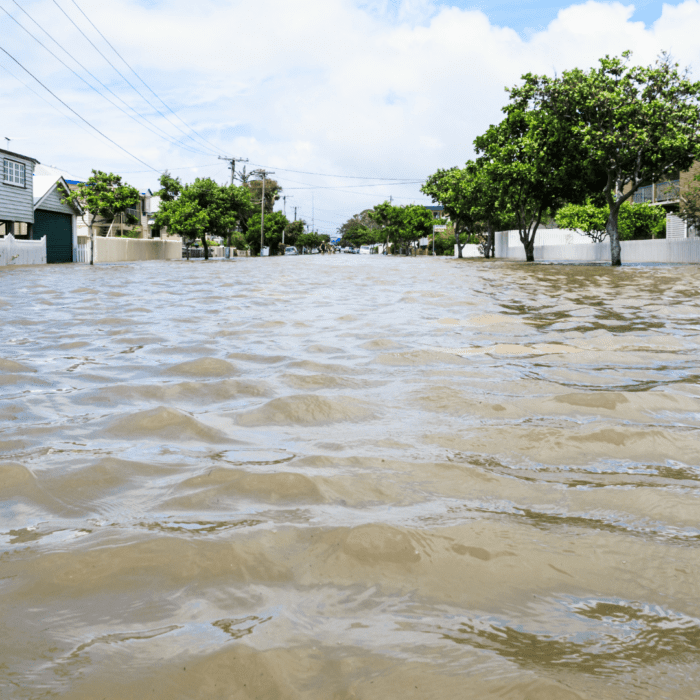
Navigating the Storm: After Action Reviews in Response to Current NSW Floods
As NSW faces severe flooding, businesses are confronted with urgent challenges. In this critical time, After Action Reviews (AARs) emerge as a vital tool for learning and adaptation amidst...
Resilience as a Competitive Advantage: How Organisations Can Thrive Amidst Uncertainty
In today’s dynamic business landscape, resilience isn’t just about survival—it’s a strategic advantage. At Resilient Services, we specialise in empowering organisations to not only weather uncertainty but to thrive...
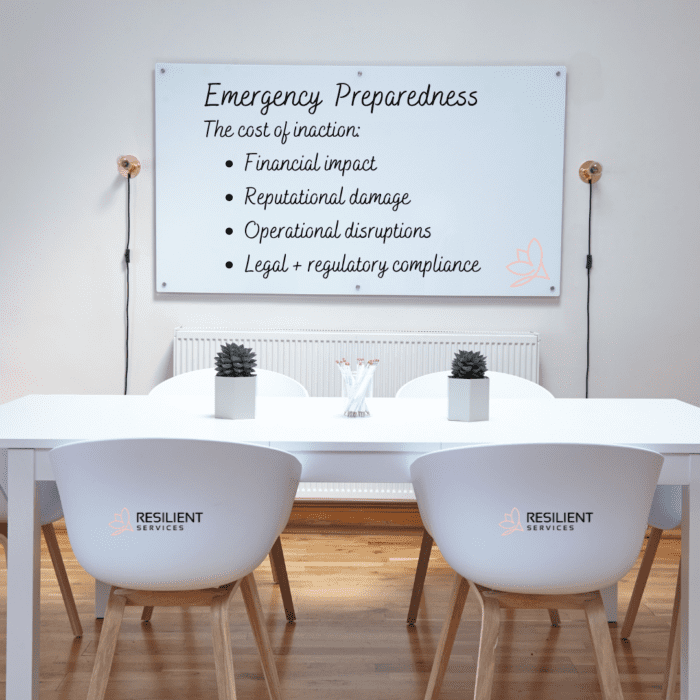
The Cost of Inaction: Why Invest in Emergency Preparedness?
In the ever-evolving landscape of business and society, emergencies and crises can strike unexpectedly, posing significant threats to organisations of all sizes and industries. While the concept of emergency...

From Theory to Practice: Realistic Emergency Exercises
In the realm of emergency preparedness, theory is important, but practice makes perfect. That’s where Resilient Services comes in. We specialise in turning theoretical emergency plans into realistic simulations,...
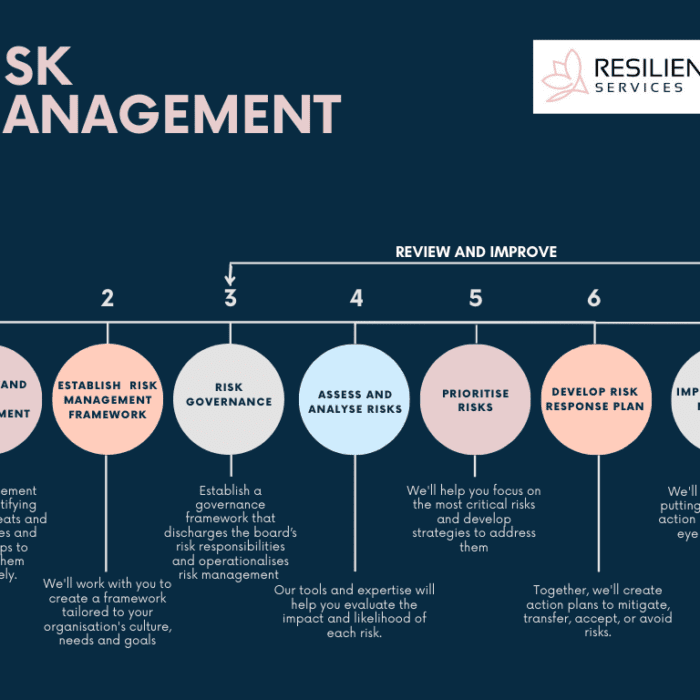
Managing Risks In Your Business
In today’s unpredictable business world, managing risks is vital for organisational success. That’s where Resilient Services comes in. We’re specialists in risk management, helping organisations like yours navigate uncertainty...

The Role of Bushfire After Action Reviews
In the aftermath of devastating bushfires, communities are left grappling with the aftermath and seeking ways to rebuild and recover. At Resilient Services, we recognise the importance of learning...

Reflecting on 2023 – A Year in Review!
We’re excited to share a compilation of standout moments, current industry trends, and the resilience that has defined our collective experience. Company Insights New logo Earlier this year we...
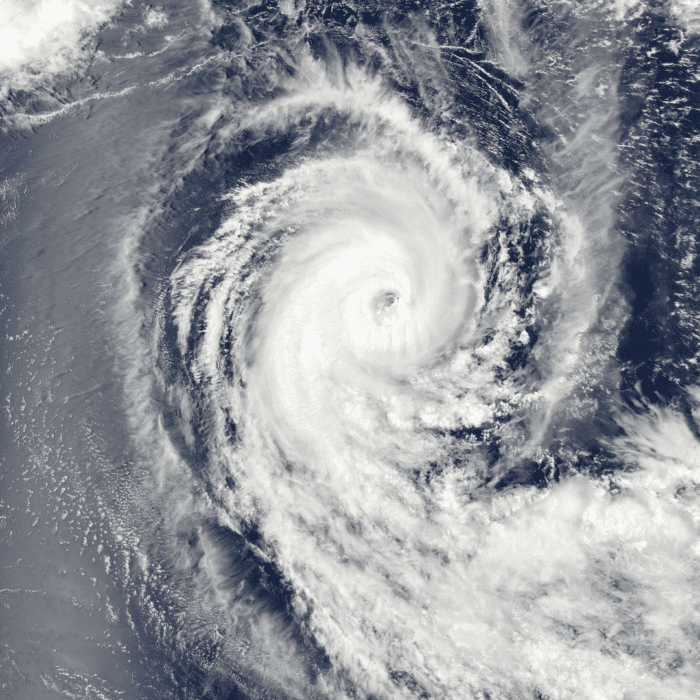
Facing the Storm: Cyclone Emergency Management for the Impending Threat Near Australia
As an impending cyclone threatens the coasts of Australia, it’s crucial for residents to be well-prepared and vigilant. Cyclones are powerful natural disasters that demand careful planning and swift...
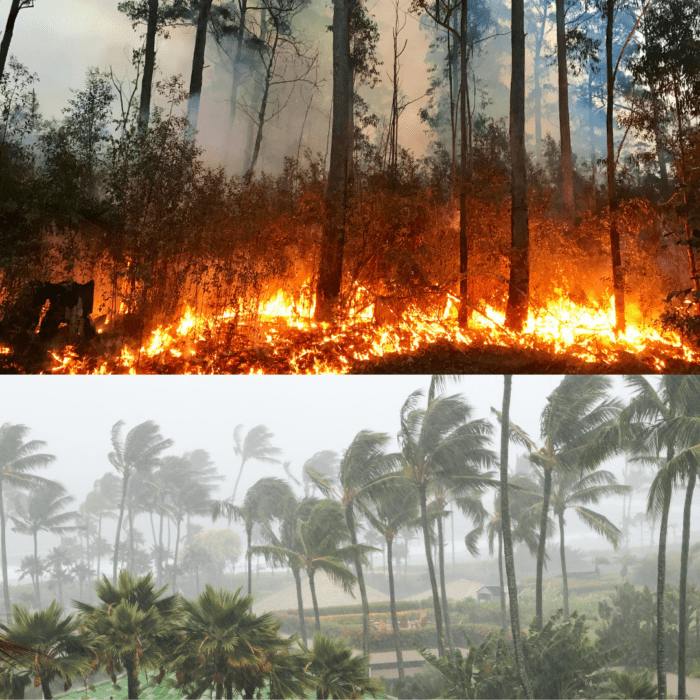
Bushfire Risk Management
Fireproofing Tomorrow: Navigating the Future For Your Business with Proactive Bushfire Risk Management As the Australian bushfire season looms large, the importance of robust bushfire risk management cannot be...
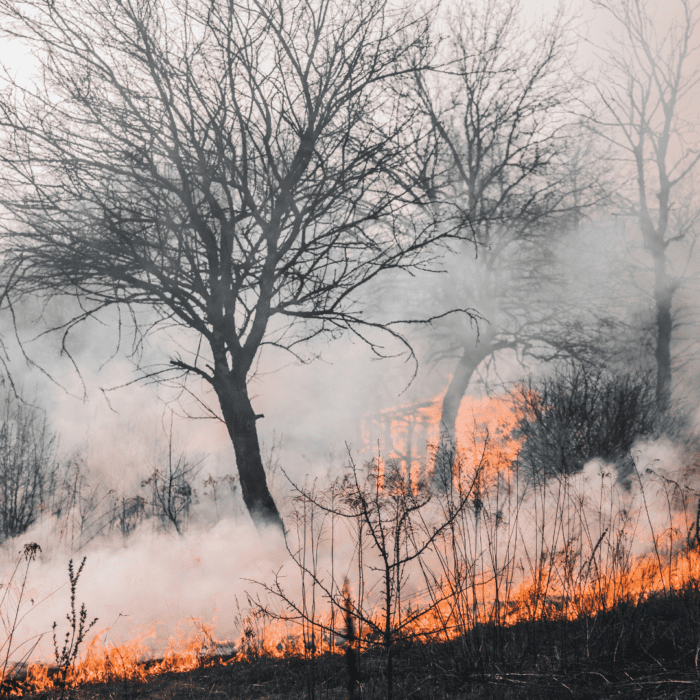
Breaking Barriers: Resilient Services Impactful Bushfire Mitigation Workshop
In the realm of bushfire mitigation, collaboration and understanding are pivotal. The pitfalls of making assumptions about stakeholders were evident in a workshop we facilitated where initial beliefs about...

Network & Internet Business Continuity Plans
Navigating A Network Outage: How a Business Continuity Plan Can Save the Day Understanding the Impact of a Network & Internet Outage When a network service outage like the...

Guiding Complex Regulations in Emergency Management for Ports
Emergency management in ports is a critical component of ensuring the safety of personnel, protecting valuable assets, and maintaining seamless operations, especially in a country as vast and diverse...
Newsletter Launch – Introducing ”Resilient Insights”
We are thrilled to introduce you to our first official edition of ”Resilient Insights”, Resilient Services Monthly Newsletter! As a company deeply committed to providing innovative solutions for building...

Strengthening Campus Safety: Integrating Crisis Management into University BCP with Resilient Services Solutions
In today’s ever-changing world, universities must be prepared for a multitude of potential crises and emergencies. From natural disasters to public health concerns and security threats, it is essential...

Navigating Uncertainty: How Business Continuity Planning Ensures Uninterrupted Learning at Australian Universities
Universities in Australia are at the forefront of providing education and shaping the future of countless students. However, the educational journey can be derailed by various unexpected challenges, from...

Strengthening Australia’s Ports: The Vital Role of Emergency Exercises and Training
Australia’s vast coastline spans thousands of kilometres and is home to numerous critical ports that play a pivotal role in the nation’s economy. These ports are essential for the...

September is National Fire Protection Month.
Find out how Resilient Services can assist your organisation/community with bushfire planning! Australia’s natural beauty is matched only by the severity of its bushfire seasons. To address the growing...

Port Emergency Management Planning: Navigating Safety and Efficiency with Resilient Services!
Ports are bustling hubs of commerce, facilitating the movement of goods and people on a massive scale. However, with this critical role comes the responsibility of ensuring safety and...

Matilda’s Vs Your Organisational Resilience
The correlations between the Matildas and business resilience are striking and offer valuable insights into building and maintaining a resilient business including: Strong Leadership and Vision: The Matildas’ coaches...
Risk and Resilience with a difference!
At Resilient Services we provide our clients with the ability to minimise risk, meet compliance and adapt to any disruption while maintaining continuous business operations and safeguarding people, assets,...

Why are Business Impact Assessments Important?
Business Impact Assessments (BIAs) are little-known tools that you may never have heard of. A crucial element of the Business Continuity Planning process, a BIA is an assessment that...

Inflation And Your Business: Is It Time To Worry?
Inflation: the word that has been on everyone’s minds and in every business’ sights in recent times. In a commercial environment already devastated by the COVID-19 pandemic, delivery delays...

Business Resiliency in the Manufacturing Industry
The manufacturing industry is a cornerstone of Australia’s economy, making up around 6% of the nation’s annual gross domestic product, and providing over 860,000 jobs. Worth over $30 billion,...

A Guide to After-Action Reviews
After an incident, exercise, or disruption, organisations often move quickly back to “business as usual.” But without structured reflection, valuable lessons are lost—and the same issues are likely to...

Disaster Management Plans: Why Are They So Important?
Disaster Management Planning for your Business Avoiding disasters in life is impossible. There is always the potential for a risk to eventuate into a disaster, and businesses are not...

Water Industry: Protecting your Business from Emergency Events
Water is integral to the survival and success of every nation across the globe. The water industry encompasses a variety of businesses involved in processes involving running pumping stations,...

Reporting requirements are changing for federal critical infrastructure. Are you ready?
Under new legislation amendments, major operators of certain pieces of infrastructure will be required to report cyber threat activity and provide ownership details to the Australian Cyber Security Centre...

What makes an organisation resilient?
Why do some organisations cope with disasters, emergencies and disruptions better than others? In our profession, we have witnessed organisations absorb and manage threats. At the same time, other...
Using Risk Mitigation Principles to Minimise the Impacts of Supply Chain Disruptions
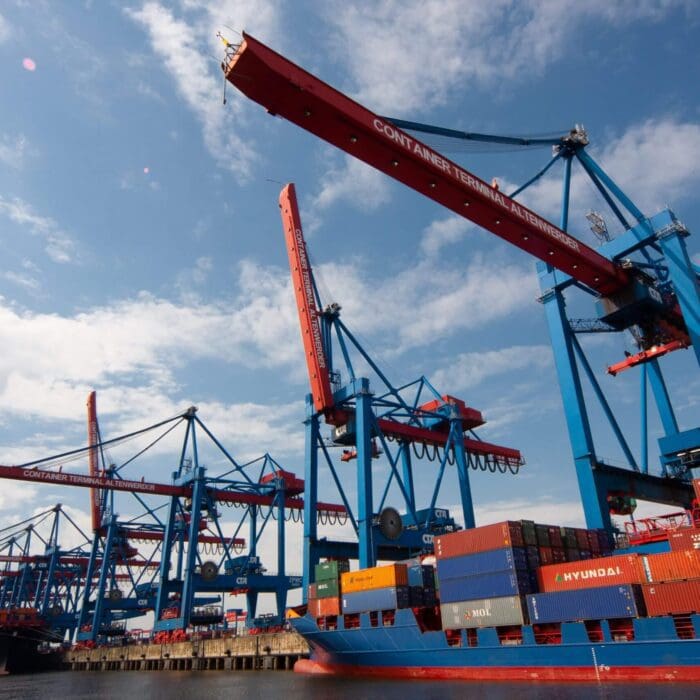
Supply chains and logistics are principal components of global trade and commerce, and without stability and reliability, supply chains supporting the world market would suffer greatly. Many global events,...

Keys to Business Longevity: The Importance of After-Action Reviews
If your business has been impacted by an emergency or crisis event such as major flooding, extreme storms, IT disruptions, fire or pandemic then it might be time to...

Natural Disasters: Extreme Flooding in Australia 2022
The current rainfall events in New South Wales and Queensland have taken the country by surprise and have caused unprecedented flooding in many areas of both states. Floodwaters have...

What is Business Continuity Planning?
Back to Basics: What is Business Continuity Planning and Why is it so Important? Business Continuity Planning is the cornerstone of an established, enduring business. Put simply, a Business...

Covid-Normal: How has life changed since reopening, and what can we expect for the future?
2022 marks the beginning of the third year of the Covid-19 Pandemic. No one could have predicted that lockdowns and multiple waves of coronavirus infections would have made up...

After-Action Reviews: What Are They And Why Are They So Important?
After-Action Reviews can be an overlooked step in the emergency management process, and yet they are crucial to the emergency management cycle. So, what exactly is an after-action review, and...

Defining Resilience – Q&A with John Gawne, Managing Director of Resilient Services
Welcome to today’s special edition blog. My name is Natalya and I am the risk and regulatory analyst for Resilient Services. This week, I will be conducting an interview...
What are tsunamis? The Tonga volcano explosion and the tsunamis that followed
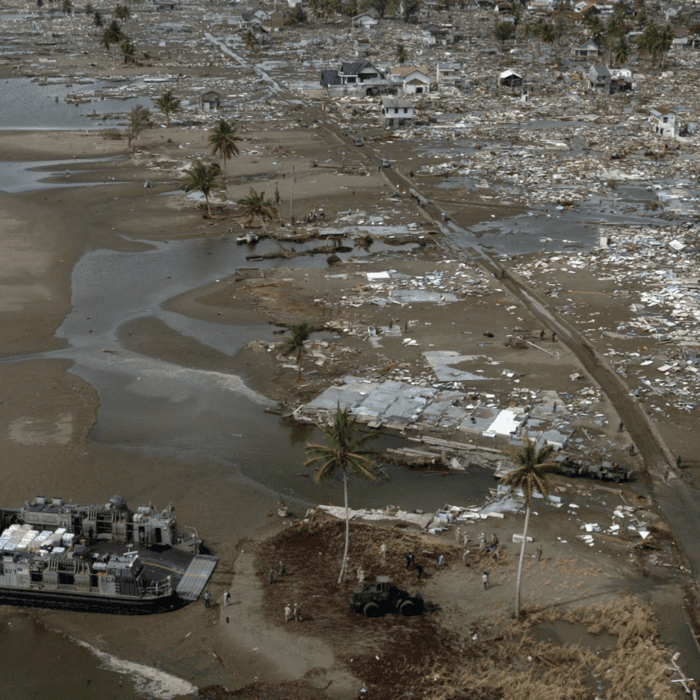
Off the coast of the Tonga archipelago is an underwater volcano called the Hunga Tonga Hunga Ha’apai volcano. Underwater volcanoes are generally found on the edges of tectonic plates...

Emergency and Disaster Management – Explained
After many years of providing emergency and disaster management services, it occurred to me that I was offering very technically correct explanations of theoretic disaster management practices, which meant...
Business Continuity and Covid-19: The Importance of Pandemic Planning
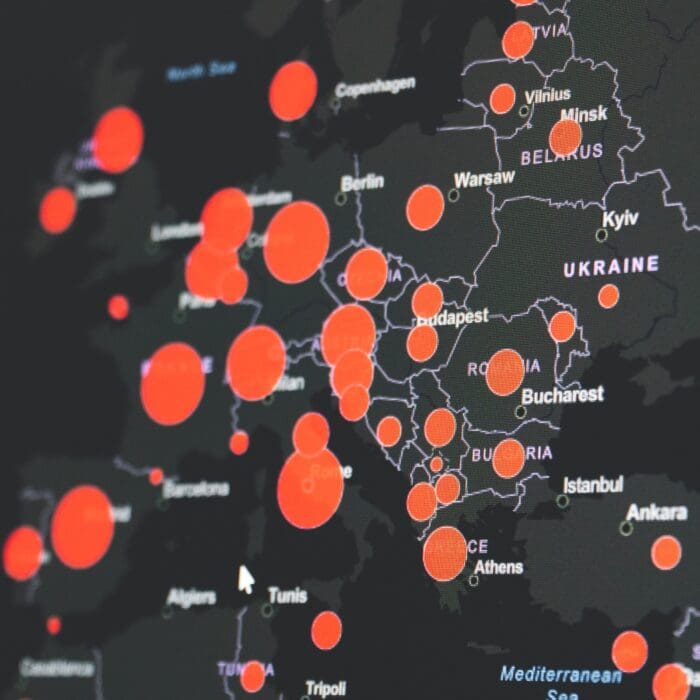
The last two years have been a whirlwind, with virtually every community, industry and nation around the world being impacted by the pandemic in some way. Measures brought in...

Risk Management Framework
Five Key Steps to Protecting Your Business From Any Risks With A RMF Risk is a constant reality for any business. No matter the industry or the size of...

La Niña – What this extreme weather event could mean for this summer
In November 2021, the Bureau of Meteorology declared that a La Niña event is underway for the 2021-2022 summer period. While the phrase ‘La Niña’ is regularly thrown around, few understand what...

Why is Strategic Business Planning Important?
Every business has goals and aspirations. Whether it be to increase profits, expand market engagement or to grow your audience, you know where you want your business to go. But do you know how to get there? And what will you do if...

4 Types of Risk Mitigation Strategies
Risk management involves identifying and analyzing risks that could have detrimental impacts on your business before they cause problems. In the risk management world, there are four main risk mitigation...

What does a disaster management consultant do?
What does a disaster management consultant do? John Gawne is the Managing Director of Resilient Services. He founded the consultancy in 2018 with the aim of providing businesses with...
What is Disaster Management and Why Disaster Management Is Important?
In these unprecedented times, it has become clear that unexpected events require adequate preparation and planning. The future is full of unknowns, and planning for a disaster is only...

Business Impact Analysis Assessments
Business Impact Analysis (BIA): Identify Critical Operations Before Disruption Occurs What Is a Business Impact Analysis? A Business Impact Analysis (BIA) — sometimes referred to as a Business Impact...

What does a Risk Management Consultant do?
Introducing Samantha Taylor. Sam is one of Resilient Services Risk Management Specialists and is instrumental in developing business continuity plans, emergency response plans and after-action reviews for ASX Top...

Why is Risk Management Important?
No matter the size or format of your business, there’s always going to be risk. Sometimes they’re internal (financial planning, health and safety, insurance), sometimes external (economic changes, global...

What does an emergency management consultant do?
An interview with one of Resilient Services Emergency Management Specialists Have you ever wondered exactly what an Emergency Management Consultant does? We interviewed our very own Breanna Chapman to find out...

Why your company should be conducting retrospective reviews. By Sophie Deutsch – HRM Online
Original article can be found at Why your company should be conducting retrospective reviews – HRM online 7 September, 2021 After wrapping up a project, taking a retrospective look at...

What is Strategic Business Planning?
Every business has goals and aspirations. Whether it be to increase profits, expand market engagement or to grow your audience, you know where you want your business to go. But do you know how to get there? And what will you do if...

Emergency Response Planning
Your Guide to Preparing an Emergency Response Plan Preparing an emergency response plan is an essential task for every business in Australia. These plans will guide and assist your team during...

What is pandemic planning and why is it important?
What your business needs to know and how our team is here to help! As recently experienced in Victoria, the likelihood of predicting a COVID-19 outbreak is extremely low and our...

What is a Risk Management Plan?
The benefits, the process, and where to begin – Understanding Risk Management Planning Regardless of their age, industry, size, or structure, all businesses experience risk. Whether the threats are...

After Action Review – an integral part of the emergency management process.
Has your business been impacted by a major event such as storms, flood, power outages, fire, loss of IT or the current pandemic to name a few? An After-Action Review (AAR) is an integral part of...

Are we facing a tipping point for a crisis?
Australian business and government agencies have coped with COVID-19 and the restrictions well. The majority of Australians are following government guidelines and consequently many staff are working from home therefore leaving staff numbers at a low. In spite of COVID-19 staff have...

Who are Resilient Services?
A Boutique Resilience Consultancy That Understands Big Business Risks No matter the field, industry, or agency, risks are an unavoidable part of doing business. And while emergencies, problems, or...
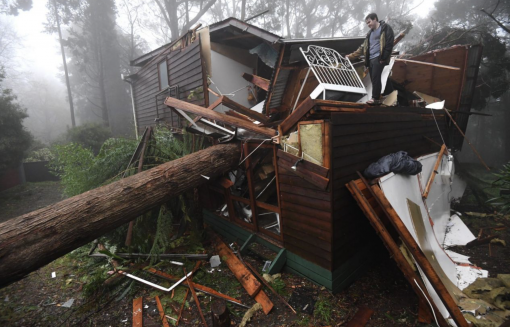
Victorian floods and power outage: What can we learn?
Natural disasters such as storms and heavy rainfall are an inevitable risk for electricity and energy companies in Victoria. These disasters directly affect the distribution of electricity to homes...

Tips for working from home
How to keep your brain motivated during the pandemic Have you ever been on a rollercoaster that you really didn’t want to get on in the first place, and now...

5 tips for getting your business’s New Year’s resolution back on track
Every year, people set New Year’s resolutions to better themselves; businesses are no different. When bosses, managers, and executives returned to their offices, worksites, and in some instances their...

The importance of radical candour in disaster management
Given our disaster management expertise, the clients we work with often operate in extremely high-risk environments like offshore oil platforms or with high-voltage transmission powerlines. As experts, our clients...

Supporting the Royal Children’s Hospital through the Kyle Sheldon Memorial Golf Day
In a typical year, Resilient Services would send our clients and friends Christmas cards to thank them for a fantastic year. As many of our clients worked from home...

Resilient Services’ Year in Review
What a year! I couldn’t think of another way to kick-off our final newsletter for 2020. This year, despite all its challenges (and we will get to those), has...

Adaptation, a buzz word or a must?
Australians should be applauded for their ability to adapt to the COVID-19 pandemic. Back in January, very few of us had heard of the “mysterious pneumonia” emerging from Wuhan, China....

Exercising does not need to take weeks or days, it can be done in an hour
One of the myths of our industry is that an emergency exercise needs to take half a day, plus an hour or two of preparation training the week before....

Movember – a reminder not a gimmick
Sadly, I lost my cousin Bryan to heart disease four years ago, aged just 55. In fact, the 3rd of November marked the anniversary of his funeral. Then 2 years...

As Victoria reopens, should we be thinking about the next pandemic wave, next Autumn?
Melbourne is very excited as the lockdown restrictions ease and the city is busily reopening. Meanwhile in the Northern Hemisphere, the UK and America are experiencing their second wave,...

Coles Checkouts: a quick lesson in business continuity and IT recovery
Last Friday, shoppers were forced to abandon their shopping trolleys in Coles stores. Every one of the supermarket behemoth’s 800 stores was affected by a “technical issue” which disabled...

2020 – an explosion of online scams
Due to lockdowns, our reliance on digital means such as telephones and IT has increased remarkably. It is the same for crooks as being out and about is far...
Is now the time for Business Continuity Planning?
Amid the COVID-19 Pandemic, businesses have been forced to adapt quickly, without warning and the ability to prepare. Many employees now work from home. We have watched employers implement new...

Managers, capture innovation and stop annoying your staff!
It is tough to know how to support your people working from home as an owner or manager. Many will drop in for videoconferences, which while somewhat useful, they...

How to minimise infecting those at home when wearing PPE at work
The changing face of Personal Protective Equipment (PPE) in the workplace in 2020, has gone from a Fluro vest for outdoor workers, to anyone that must face the public...

Resilient Services webinar: Disaster Recovery and First-Mover Advantage
Is your business locked down or severely restricted? Are cashflows down and futures uncertain? Does this sound like your situation? Strangely enough, now is the best time to get...

Community lead recovery and grassroots sporting clubs
According to an Australian Sports Foundation survey, about a quarter of the nation’s 70,000 grassroots clubs may not survive beyond 2020. The foundation estimates that local clubs have lost...

Reducing costs sustainably during COVID-19
Never let a good crisis go to waste. Businesses and government departments have discovered that working from home arrangements have created efficiencies in many cases. Since March, employees have...

Building Organisational Resilience
Why do some organisations cope with disasters, emergencies and disruptions better than others? In our profession, we have witnessed organisations absorb and manage threats. At the same time, other vulnerable...

Compliance activities and the impact of COVID-19
COVID-19 presents a high degree of uncertainty for fully returning to the office in the immediate or longer-term future. In fact, according to a recent study by the University...

Staying engaged while working from home
With Greater-Melbourne and Mitchell Shire returning to stage 3 restrictions for at least the next five weeks, businesses who were planning on staff returning to the office in the...

The shortcomings of ‘command and control’ in the corporate world
Long established, emergency services or military management models have great difficulty working in corporate environments. Known as command and control (C2), this management model is defined as an approach which enables...

Crisis Response and Review Timeline
The question we are now all facing, is how do we get back to business sustainably? Yesterday, Resilient Services launched its Back To Business survey. This quick, two-minute survey,...

Resilient Services launches Women in Resilience Leadership Webinar Series
Women face many unique challenges in their careers, from gender pay gaps to breeder bias. In today’s society, women are still finding it hard to progress through their careers...

The pandemic curve explained
The pandemic curve To minimise the scale of COVID-19 infections, Australia has spent the last 3 weeks implementing stage 3 restrictions. The agonising question felt by most Australian’s is how much...
Post Incident Reviews
Conducting a post incident review is an integral part of the crisis and emergency management process. Capturing what worked well, what didn’t and the lessons learned is what enables companies to improve and better prepare for the future....

Coronavirus update – 24.03.20
As of 10:00 AEDT March 24th 2020, the World Health Organisation reports that there are more than 370,000 confirmed cases of COVID-19 globally.1 By the time you’re reading this...