
Emergency Management Training & Legislative Compliance Support
Practical, Compliant Emergency Management Training for Workplaces
- Emergency Response/Management Training
- Security of Critical Infrastructure Act 2018 (Cth) Support
Strong emergency response capability protects people, operations, reputation and critical assets.
Resilient Services delivers professional Warden and Chief Warden training (AS 3745 compliant), structured emergency exercises, specialist support aligned with the Emergency Management Act 2013 (Vic), including Part 7A requirements, and advisory services for organisations captured under the Security of Critical Infrastructure Act 2018 (Cth) (SOCI Act).
We assist responsible entities to design, implement and maintain compliant Critical Infrastructure Risk Management Programs (CIRMPs), embedding legislative obligations within broader emergency management, risk and business continuity frameworks.
Our programs build real-world capability, not just compliance, ensuring your people are confident, coordinated and prepared, and that your governance arrangements are robust, defensible and regulator-ready when it matters most.
Strengthen Your Organisation’s Resilience
Practical emergency management, business continuity and crisis management advice backed by real-world experience.

Emergency Management & Business Continuity Specialists
- Review your current emergency preparedness and continuity capability
- Identify key risks, response gaps, and improvement opportunities
- Receive actionable next-step recommendations tailored to your organisation
Our Bespoke Training Programs For Your Organisation
Resilient Services delivers practical, hands-on training to prepare your team for any emergency or disruption. Through scenario exercises, role-based training, and proven industry methods, we equip staff to respond confidently, keep workplaces safe, and maintain business continuity when it matters most.
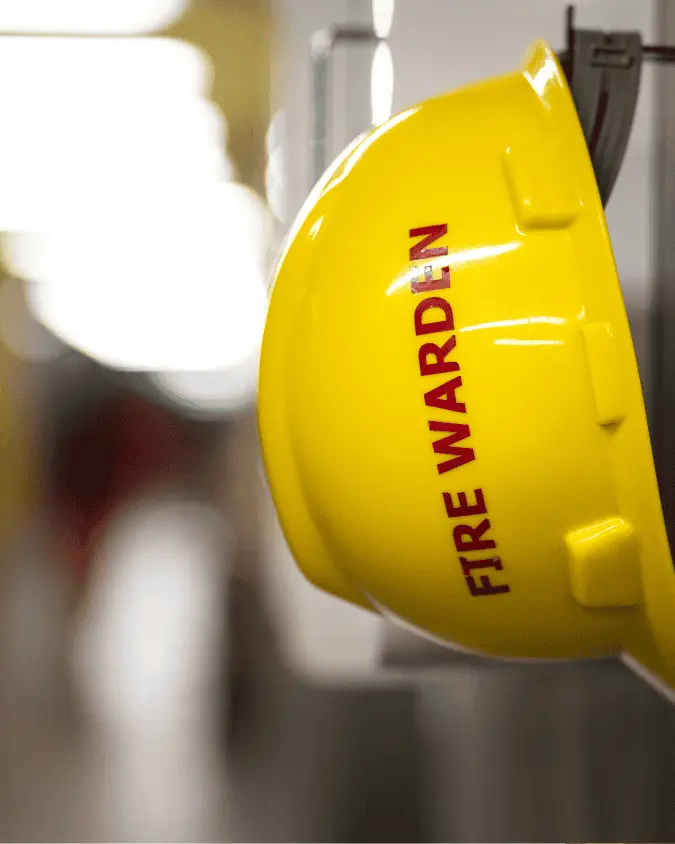
An effective Emergency Control Organisation (ECO) is critical to workplace safety.
Our AS 3745 – Planning for Emergencies in Facilities compliant training ensures wardens and chief wardens understand their roles, responsibilities and authority during emergency situations.
Participants learn to:
- Understand the structure and purpose of the Emergency Control Organisation (ECO)
- Decision making between evacuation and shelter in place and lockdown.
- Lead safe and efficient evacuations
- Communicate clearly under pressure
- Manage assembly areas and accountability processes
- Coordinate with emergency services
- Fulfil documentation and compliance obligations
This training supports corporate workplaces, education providers, healthcare facilities, industrial sites, local government and multi-tenanted buildings across Australia.
Emergency Planning Exercises (AS 3745)
Regular evacuation exercises are required under AS 3745 – Planning for Emergencies in Facilities to test emergency procedures and ensure occupants and wardens understand their roles during an evacuation.
We support organisations by designing and facilitating live evacuation exercises that validate emergency arrangements and strengthen real-world preparedness.
Our services include:
- Planning and coordinating live evacuation exercises
- Briefing wardens and key personnel prior to the exercise
- Observing evacuation performance and emergency response procedures
- Assessing communication, coordination and evacuation timing
- Providing structured debriefs and improvement recommendations
Following each exercise, we deliver a clear evaluation report outlining observations, lessons learned and practical actions to strengthen your organisation’s emergency preparedness.
Where required, we can also support additional preparedness activities such as facilitated discussions or scenario workshops to further enhance organisational capability.
Our approach ensures exercises remain practical, compliant with AS 3745, and aligned with your organisation’s operational environment.
Multi-Jurisdictional Emergency Management Legislative Support
We provide specialist advisory, planning and assurance support to organisations with responsibilities under Australia’s state and territory emergency management legislation, including:
- Emergency Management Act 2013 (Vic) – including Part 7A planning and assurance obligations
- State Emergency and Rescue Management Act 1989 (NSW)
- Disaster Management Act 2003 (Qld)
- Emergency Management Act 2005 (WA)
- Emergency Management Act 2004 (SA)
- Emergency Management Act 2006 (Tas)
- Emergencies Act 2004 (ACT)
- Emergency Management Act 2013 (NT)
We support organisations to meet their statutory obligations by strengthening emergency management frameworks, aligning governance and decision-making arrangements with legislative requirements, and ensuring plans are structured, documented and assurance ready.
Our services include
- Development and review of compliant emergency management plans
- Design and facilitation of structured emergency exercises
- Validation of escalation processes, control arrangements and governance mechanisms
- Identification of capability gaps and systemic risk exposures
- Preparation of post-exercise reports, compliance documentation and improvement action plans
- Establishment of continuous improvement and assurance processes
Our team understands the legislative architecture, accountability arrangements and emergency powers frameworks across Australian jurisdictions, ensuring your emergency management arrangements are practical, regulator-ready and legally defensible.


For Victorian organisations with responsibilities under the Emergency Management Act 2013 (Vic), including Part 7A planning and assurance obligations, we provide specialist advisory and exercise support.
Part 7A establishes requirements relating to emergency management planning, governance and accountability for relevant entities. Our services help organisations demonstrate preparedness, due diligence and continuous improvement.
We support organisations to:
- Strengthen emergency management planning frameworks
- Conduct structured and documented emergency exercises
- Validate emergency arrangements and governance processes
- Identify capability gaps and improvement priorities
- Prepare post-exercise reports and improvement action plans
Our team understands the Victorian legislative environment and ensures your emergency management arrangements are both practical and defensible.
We provide specialist advisory and assurance support to organisations captured under the Security of Critical Infrastructure Act 2018 (Cth) (SOCI Act) and its associated Rules.
We assist responsible entities to design, implement and maintain compliant Critical Infrastructure Risk Management Programs (CIRMPs), addressing prescribed hazards including cyber security, physical security, personnel risks and supply chain vulnerabilities. Our services support governance accountability, board-level oversight, reporting thresholds and annual assurance requirements.
We ensure SOCI obligations are embedded within existing risk, emergency management and business continuity frameworks, creating a cohesive and defensible approach to critical infrastructure resilience.

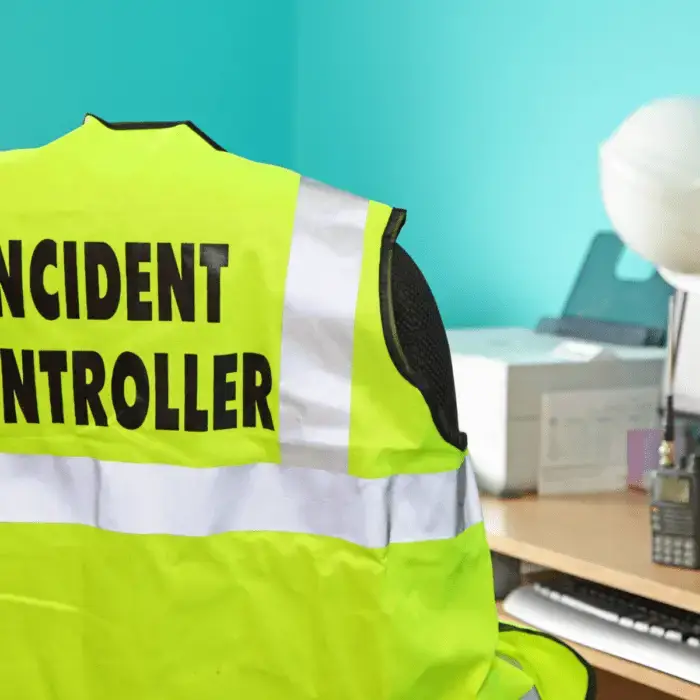
Beyond evacuation response, organisations must be prepared to manage complex, evolving incidents that can significantly impact operations, stakeholders and reputation.
Our Crisis Management and Incident Leadership training supports executives and senior leaders responsible for strategic oversight, consequence management and organisational decision-making during major incidents and crises.
Participants develop capability in:
- Maintaining situational awareness and strategic risk assessment
- Executive decision-making under pressure and uncertainty
- Managing internal and external crisis communications
- Understanding the interface between strategic crisis leadership and operational incident response teams
- Considering organisational recovery priorities and long-term consequences
- Protecting organisational reputation, stakeholder confidence and governance integrity
This training builds leadership capability across the prevention, preparedness, response and recovery lifecycle, ensuring senior leaders can provide clear direction and governance during high-impact events.
Business disruptions can impact critical services, operations and stakeholder confidence. Organisations must be prepared to activate and implement their business continuity arrangements when disruption occurs.
Our Business Continuity and Disruption Response training focuses on helping teams understand how to apply existing business continuity plans in real operational scenarios, ensuring leaders and staff know their roles during disruption.
Participants learn how to:
- Understand the purpose and structure of their organisation’s Business Continuity Plans
- Activate continuity arrangements during operational disruptions
- Apply escalation processes and decision-making frameworks
- Maintain critical services and prioritise essential activities
- Support organisational recovery following disruption
This training strengthens organisational readiness by ensuring teams can use their plans effectively when they are needed most, rather than simply having them documented.


Why Choose Resilient Services?
Resilient Services is led by experienced Emergency and Disaster Management professionals who understand both operational response and regulatory environments.
Our programs are:
- Aligned with AS 3745 requirements
- Informed by Victorian legislative frameworks, including Part 7A
- Tailored to your organisational risk profile
- Practical and scenario-driven
- Designed to deliver measurable capability improvement
We focus on building confidence, coordination and resilience, not simply delivering training hours.
Industries that are offered Resilience, Emergency & Disaster Management Training
Resilient Services provides resilience, emergency & disaster management training programs to clients across New Zealand and Australia in metropolitan cities such as Melbourne, Perth, Sydney, Adelaide, and Brisbane. These industries include, but are not limited to:
Flexible Delivery
We deliver training and exercises through:
- Onsite workplace sessions
- Live online delivery
- Hybrid formats
- Facilitated simulations
- Digital training solutions for remote and shift-based staff
Our flexible model ensures consistent capability across your workforce.
Strengthen Preparedness. Demonstrate Compliance. Build Capability.
Whether you require AS 3745 Warden training, structured emergency exercises, or support aligned with the Victorian Emergency Management Act (Part 7A), we can design a tailored solution for your organisation.
Request a Tailored Training Proposal
Book Your 30-Minute Consultation Today call 03 9003 9370
"*" indicates required fields
What our clients are saying
“It was thoroughly enjoyable to work with the team at Resilient Services. Clearly, this team is enthusiastic, enjoys what they do, and is proud of what they produce.”
Head of Corporate Risk.
Oil and Gas Producer


“What stood out about Resilient was their practical approach. Meeting the team impressed me with their focus on practical solutions rather than theoretical consultant-driven approaches.”
Geelong Port.
General Manager for Health, Safety, Environment, & Quality
“Business continuity plan is comprehensive and flawless.”
Top 4 Australian
Accounting Firm 2021
Your Training questions answered
Common questions
What industries does Resilient Services specialise in serving?
Resilient Services specialises in serving a variety of industries, including:
- Critical Infrastructure
- Energy and Power
- Government and Regulators
- Industrial and
- Manufacturing
- Maritime
- Mining
- Office/Corporate
- Oil, Gas and Petroleum
- Water
What types of training does Resilient Services offer?
Resilient Services delivers a range of tailored training programs designed to enhance organisational capability in emergency management, disaster response, risk awareness and resilience-related decision-making. Programs are developed to suit different audiences — from executive leadership to operational staff — and can be delivered onsite, online or in hybrid formats to suit your operational context and workforce arrangements.
Why is emergency and resilience training important for my organisation?
Training equips your team with the knowledge, skills, and confidence to act effectively during emergencies or disruptive events. Rather than simply reading plans, participants learn to apply them in practice, improving decision-making, communication, coordination, and safety across the organisation. Well-prepared teams also help protect people, assets and reputation, and can reduce operational impact and recovery time after an incident.
How does training improve emergency response and performance?
Effective training is not just about theory — it accelerates learning through active engagement, realistic scenarios and practical application. Participants learn key emergency roles, communication protocols and response procedures so they can act decisively under pressure. This helps build a culture of preparedness where individuals are confident and capable in high-stress situations, leading to better outcomes when real emergencies occur.
Who should undertake this training?
Training is beneficial for everyone in your organisation, but especially for:
Leadership and decision-makers, who need to understand their roles in crisis and emergencies.
Emergency response teams and wardens, who are responsible for immediate action and coordination.
Operational and support staff, who must know how to support emergency procedures, evacuations, and communications.
By involving a broad representation of roles, training ensures that your organisation is prepared at every level.
Are training programs tailored to our organisation?
Yes. Resilient Services customises training to reflect your industry, risk profile and operational needs rather than offering generic courses. This means that scenarios, examples and practical elements are relevant to your real-world context, improving learning transfer and effectiveness.
How often should emergency management training be carried out?
Best practice is to conduct training regularly — typically at least annually — or whenever there are changes to plans, personnel or organisational structure. Regular training reinforces learning, refreshes skills, and ensures teams stay up to date on updated procedures and responsibilities.
How does this training support broader resilience and risk programs?
Training is a key pillar of organisational resilience. It enhances your risk management, continuity planning, crisis management, and emergency procedures, ensuring that people—not just plans—are ready to respond. By strengthening human capability, your organisation improves its ability to absorb, adapt and recover from disruption.