
Understanding the PPRR Framework: A Strategic Approach to Emergency, Disaster, and Crisis Management
Every organisation needs a proactive approach to the risks, emergencies, and disasters that can disrupt everyday operations.
At Resilient Services, we use the PPRR model and framework as the basis for our emergency management, disaster management, and crisis management consulting, because it offers a clear, actionable methodology for building resilience.
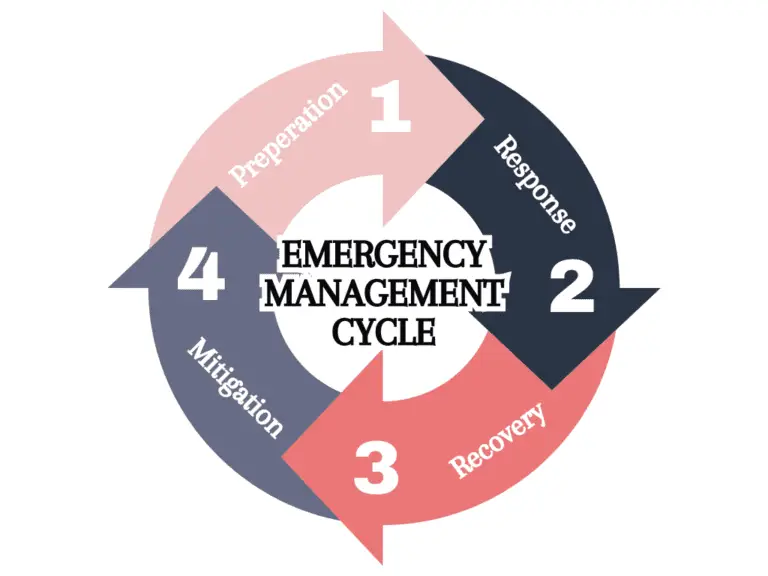
The PPRR framework — short for Prevention, Preparedness, Response, and Recovery — is a model used across emergency management, disaster management, and crisis management to help organisations manage hazards before, during, and after an incident.
Whether it’s a natural disaster, cyberattack, supply chain disruption, healthcare emergency, or workplace crisis, the PPRR model helps organisations mitigate risks, respond effectively, and recover stronger.
What Is the PPRR Model?
The PPRR model is a four-stage framework used in emergency management, disaster management, and crisis management to structure how organisations handle hazards and incidents:
- Prevention – Stop incidents from occurring or reduce their likelihood.
- Preparedness – Build capacity and plans to respond effectively.
- Response – Act immediately and efficiently when an incident occurs.
- Recovery – Restore operations and learn from the event.
Each phase of the PPRR model plays a crucial role in safeguarding people, assets, and continuity of operations. While they are outlined as separate stages, these elements are interconnected and ideally form a continuous cycle of improvement.
The PPRR framework originated in emergency and disaster management but is now applied just as widely in crisis management, particularly in sectors like healthcare, government, and critical infrastructure, where the same four stages map cleanly onto how organisations prepare for and recover from a crisis.
1. Prevention: Minimising the Risk Before It Happens
The Prevention phase focuses on identifying and reducing potential risks before they can develop into emergencies or crises. This may involve:
- Conducting risk assessments and hazard analyses
- Implementing safety protocols, engineering controls, or design modifications
- Enforcing compliance with legislation and industry standards
- Promoting a culture of risk awareness within the organisation
For example, in the manufacturing sector, prevention might mean ensuring that all machinery is maintained and safety protocols are enforced. IT may involve regular software updates and firewalls to prevent data breaches. In healthcare, prevention might mean infection control protocols, equipment safety checks, or planning for surge capacity ahead of a known seasonal risk.
At Resilient Services, we help clients implement preventive strategies that align with their operational realities—protecting people and infrastructure while reducing liability.
2. Preparedness: Planning for Uncertainty
Even with the best prevention efforts, incidents can still occur. That’s where Preparedness comes in. This phase involves strategic planning to ensure that your organisation is ready to respond when something goes wrong. Key activities include:
- Developing and testing emergency management plans
- Establishing clear roles and responsibilities
- Conducting training, drills, and simulation exercises
- Creating business continuity and incident response plans
- Communicating emergency procedures across the workforce
Preparedness is not a one-time task—it’s an ongoing process of capability building. Our consultants work with clients to ensure that their emergency and business continuity plans are compliant and effective and practical in real-world situations.
3. Response: Acting Fast and Effectively
The Response phase begins the moment an incident occurs. Its goal is to contain the situation, protect life and property, and prevent the event from escalating. A strong emergency response plan can save lives, minimise damage, and maintain stakeholder confidence.
Activities in this stage typically include:
- Activating the emergency management plan
- Coordinating emergency services or internal response teams
- Communicating clearly and consistently with stakeholders
- Logging actions taken and maintaining situational awareness
- Making fast, informed decisions under pressure
At Resilient Services, we support clients in streamlining their response operations through robust incident management systems, including tools like BRUCE, our Microsoft Teams-integrated emergency management software. BRUCE helps ensure that key personnel are notified quickly, tasks are tracked, and real-time updates are available throughout the response.
4. Recovery: Rebuilding and Learning
Once the immediate threat has passed, the Recovery phase focuses on restoring operations, addressing long-term impacts, and learning from the incident. Depending on the scale of the event, this phase could take days, weeks, or even months.
Recovery activities include:
- Restoring infrastructure, IT systems, and services
- Providing support to affected employees and stakeholders
- Conducting debriefs and root cause analysis
- Reviewing and updating emergency management plans
- Making improvements to policies and procedures
A well-managed recovery helps organisations return to full operational capacity while identifying lessons that can enhance future prevention and Preparedness. At Resilient Services, we guide organisations through both the technical and human aspects of recovery, helping them emerge more resilient than before.
Why the PPRR Model Works
The strength of the PPRR framework is its simplicity and scalability. The same four stages apply whether you’re managing a cyberattack in a corporate environment, bushfire risk in local government, or a clinical incident in a healthcare setting, which is why PPRR is used so widely across emergency, disaster, and crisis management alike.
By embracing the PPRR model, organisations can:
- Reduce operational and reputational risk
- Respond faster and more efficiently during a crisis or disaster
- Maintain continuity of service
- Build stakeholder and community trust
- Comply with regulatory requirements
PPRR in Aviation
Aviation operators face risks ranging from aircraft emergencies and severe weather to security threats and fuel incidents, making structured emergency management essential. Under the PPRR framework, prevention centres on hazard identification, safety management systems, and airside risk controls, while preparedness builds readiness through emergency planning, training, and coordination with emergency services. When an incident occurs, response activities prioritise life safety and operational containment, and recovery restores normal operations while capturing lessons to strengthen future readiness. For airports, airlines, and aviation operators, PPRR offers a clear path to operational resilience under intense regulatory and safety scrutiny.
PPRR in Ports & Maritime
Ports and maritime operators contend with vessel incidents, hazardous material spills, severe weather, cyber threats, and supply chain disruption, often simultaneously. The PPRR framework helps these organisations identify and mitigate risk before an incident occurs, then build capability through emergency procedures, personnel training, and exercises. Once an incident occurs, response efforts focus on protecting people, infrastructure, and the surrounding environment, while recovery efforts support the resumption of normal port and maritime operations. Applying PPRR consistently strengthens resilience across the full maritime operating environment.
PPRR in Energy & Utilities
Energy and utility providers face the added pressure of maintaining essential services during disruptions, not just managing them. The PPRR model helps these organisations identify vulnerabilities across electricity, gas, water, and telecommunications networks and implement preventive measures to reduce risk. Preparedness is built through emergency planning, training, exercising, and coordination with stakeholders, so that when network failures, natural disasters, or infrastructure damage strike, response arrangements can minimise impact on customers and communities. Recovery then centres on safely restoring services and feeding lessons learned back into future resilience planning.
PPRR in Critical Infrastructure
Organisations managing critical infrastructure are responsible for assets and services that underpin community safety, economic stability, and national security, raising the stakes for emergency preparedness considerably. The PPRR framework gives these organisations a practical structure: prevention through risk management and protective security, and preparedness through planning, training, exercising, and stakeholder engagement. Response arrangements support fast, informed decision-making during disruptions, while recovery focuses on restoring services efficiently and capturing lessons learned. The framework also aligns closely with broader critical infrastructure resilience obligations.
PPRR in Healthcare
Healthcare organisations operate under constant pressure to maintain patient care and service continuity, which makes emergency preparedness non-negotiable rather than optional. The PPRR framework guides hospitals, health services, aged care facilities, and healthcare providers through risk reduction, emergency planning, training, and exercising. During incidents such as infectious disease outbreaks, infrastructure failures, mass casualty events, or cyber disruptions, response arrangements help protect patients, staff, and critical services. Recovery then turns to restoring normal operations, supporting workforce wellbeing, and strengthening preparedness for next time.
Building Organisational Resilience with Resilient Services
At Resilient Services, we believe that resilience is a journey, not a destination. Using the PPRR framework, we work with clients to identify vulnerabilities, strengthen systems, and embed practical solutions that reduce risk exposure and improve response outcomes.
From developing business continuity and emergency management plans to running scenario-based training and supporting post-incident recovery, our team has the expertise to tailor the PPRR model to your needs.
Want to know how the PPRR model can protect your organisation?
Contact Resilient Services today and start building a more prepared, more resilient future.