
Emergency Response Plan vs Emergency Management Plan: What’s the Difference?

Crisis Management & Incident Leadership Training for Executives

Beyond Evacuation Response Emergency evacuation procedures are an important part of workplace preparedness, but they represent only one component of effective organisational resilience. Major incidents can escalate quickly beyond the immediate operational response. They can disrupt critical services, affect employees and customers, attract regulatory or media attention, damage stakeholder confidence and create financial, operational and […]
Business Impact Analysis vs Risk Assessment: What’s the Difference?

Business resilience starts with understanding two fundamental questions: what could go wrong, and what would happen if it did? Together, these questions underpin two complementary resilience processes, risk assessment and business impact analysis. Risk assessments help organisations identify and evaluate potential threats, vulnerabilities and risks, while a business impact analysis examines the consequences of disruption, […]
Business Continuity vs Disaster Recovery: What’s the Difference?
Business continuity and disaster recovery are closely related, but they are not interchangeable. The distinction is important because organisations can have a technically robust disaster recovery capability and still be unprepared to maintain critical services during a disruption. Business continuity takes a broader, organisation-wide view of how critical activities, services and operations will continue or […]
After Action Review vs After Action Report

An after action review and an after action report are closely related, but they’re not the same thing. An after action review is the structured discussion that helps a team reflect on an event, while an after action report is the written document that captures the findings, recommendations and actions arising from that discussion. Understanding […]
Preparing for a Part 7A Emergency Management Audit

For organisations with emergency management obligations, a Part 7A Emergency Management Audit is more than a compliance exercise; it is an opportunity to demonstrate that emergency management capability is embedded across the organisation. While having documented plans and procedures is essential, auditors also want to see evidence that these documents are supported by effective governance, […]
Emergency Management in Australia: Practical Guide for Organisations

Overview: Why Emergency Management Matters in 2026 Since 2019, Australia has faced natural disaster events of increasing frequency and severity. The 2019-20 Black Summer bushfires burned over 10 million hectares and destroyed more than 3,000 homes. The 2021 Eastern Australia floods caused estimated damages of A$1 billion in New South Wales and Queensland alone. These […]
Risk Assessments: How Australian organisations can turn Compliance into Resilience

What a modern risk assessment really needs to do A risk assessment is a structured process for identifying potential hazards, evaluating their likelihood and consequence, and determining appropriate responses. Risk analysis sits within that process as the step where you quantify or qualitatively evaluate each risk. Both feed into the broader discipline of risk management, […]
What is a business resilience strategy — and how do you build one?

Many organisations believe that having a business continuity plan makes them resilient. While business continuity is a critical part of preparedness, it is only one piece of a much larger picture. A resilience strategy provides the overarching framework that enables an organisation to anticipate, prepare for, respond to, recover from and adapt to disruption over […]
Maritime Emergency Response Planning Explained
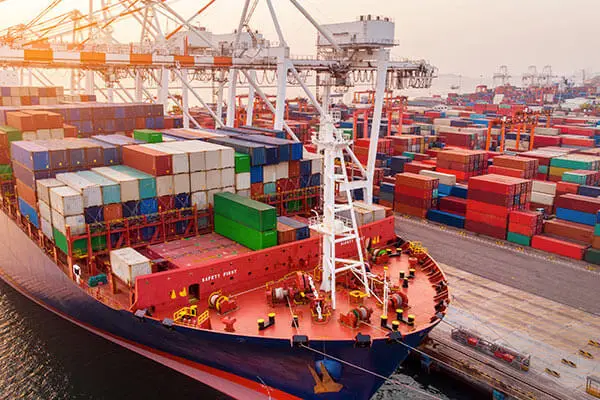
Ports, shipping operators, marine facilities and maritime infrastructure face a unique set of operational risks. From vessel collisions and fuel spills to severe weather events, onboard fires, hazardous material incidents and security threats, maritime emergencies can escalate rapidly and have far-reaching consequences. Unlike many land-based incidents, maritime emergencies often involve complex operating environments, multiple stakeholders […]