
Mining Risk Management and Emergency Response

Practical resilience expertise built for the real world
Resilient Services provides mining risk management, emergency management and business continuity consulting to mining companies, mine operators and resource sector organisations across Australia and New Zealand.
We work with organisations across the mining and resources sector, including open-cut and underground mining operations, mineral processing facilities, remote mine sites and mining infrastructure operators. Our services help organisations identify operational risks, strengthen emergency preparedness, develop effective response arrangements and improve their ability to manage incidents and operational disruptions.
Our approach to risk management in the mining industry considers the operational, environmental, safety, infrastructure and organisational risks associated with mining activities. From managing site-specific hazards and emergency response capabilities to protecting critical infrastructure, personnel and business continuity, we help mining organisations strengthen resilience and maintain operational readiness.
Mining Emergency Management Plans
Mining operations face a range of emergencies that can threaten worker safety, surrounding communities, the environment and business continuity. Equipment failures, underground incidents, fires, hazardous material spills, and extreme weather can escalate quickly, making effective mining emergency management planning essential to maintaining safe, resilient operations.
Resilient Services helps mining organisations develop and review emergency management plans, emergency response procedures and incident management arrangements tailored to their mine sites, operational risks and regulatory responsibilities. Our approach includes clear emergency roles, evacuation procedures, communication protocols, crisis management arrangements and coordination with emergency services.
Through practical emergency management training, emergency exercises, and response planning, we help mining organisations strengthen emergency preparedness, improve incident response capabilities, and support workplace safety, regulatory compliance, and operational resilience.
Mining Risk Management
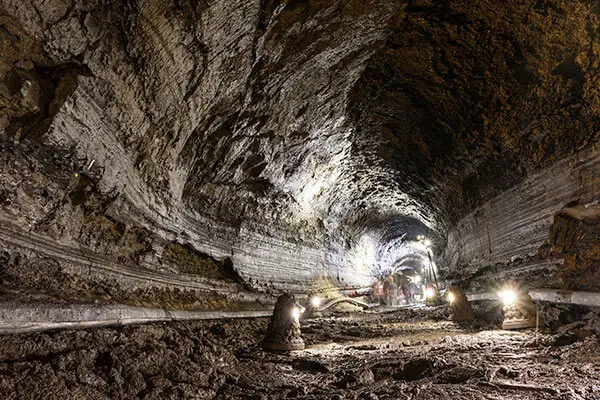
Mining risk management involves identifying, assessing and treating risks that could affect personnel, operations, infrastructure, the environment and business continuity .
Mining operations face interconnected risks across heavy equipment, underground environments, hazardous materials, processing facilities, tailings and water infrastructure , remote workforces, contractors, supply chains and critical systems.
Resilient Services helps mining organisations strengthen risk assessments , treatment strategies, emergency preparedness and organisational resilience through practical approaches tailored to each mine's operational environment.
Effective mining risk management must reflect the specific mine, operating environment and potential consequences rather than rely on a generic framework. Our approach considers site-specific hazards, operational dependencies and emergency response capabilities to support safer and more resilient mining operations.
Key Risk Management Challenges in the Mining Industry
Mining operations involve complex environments where people, equipment, infrastructure and production systems are closely connected. Understanding and managing these risks is essential to maintaining safe operations and reducing the impact of disruptions.
Heavy Equipment & Machinery Incidents
Mobile plant, heavy machinery, equipment failures and vehicle interactions can create serious safety risks and disrupt critical mining activities.
Underground & Geotechnical Hazards
Ground instability, rockfalls, ventilation failures and confined underground environments require effective risk controls and emergency arrangements.
Tailings, Water & Environmental Risks
Tailings storage facilities, water infrastructure, contamination and environmental incidents can affect personnel, surrounding communities and operational continuity.
Remote Workforce & Contractor Safety
Remote locations, workforce arrangements, contractor activities and limited access to emergency services can increase operational and incident response challenges.
Processing Facilities & Hazardous Materials
Processing plants, chemicals, combustible materials, fires and equipment failures introduce risks requiring coordinated emergency planning and response procedures.
Supply Chain & Business Continuity Risks
Power outages, infrastructure failures, transport interruptions and supplier disruptions can affect production, workforce access and mine operations.
Mining Risk & Regulatory Considerations
Mining organisations operate within complex regulatory environments covering workplace health and safety, mining operations, emergency management , environmental management and other jurisdiction-specific requirements.
Applicable obligations vary by location, mine type and the nature of the operation. Effective risk and emergency management must consider these requirements alongside site-specific hazards, workforce arrangements, contractors, infrastructure and emergency response capabilities.
Resilient Services helps mining organisations translate these requirements into practical risk management , emergency management and response arrangements appropriate to their operating environments.
Our approach to risk management in the mining industry is tailored to each organisation's mine sites, operational activities, workforce, infrastructure and regulatory responsibilities. We help organisations strengthen emergency preparedness, manage critical risks and improve long-term operational resilience.
Mining Emergency Response
Mining emergencies can escalate quickly, particularly across remote mine sites, underground operations and complex processing facilities where access to external emergency services may be limited. Effective mining emergency response planning helps protect personnel, minimise operational disruption and reduce risks to surrounding communities and the environment.
Resilient Services helps mining organisations develop site-specific emergency response procedures, incident management arrangements and coordinated response strategies. Our approach considers operational hazards, workforce and contractor responsibilities, available resources, communication protocols and coordination with external emergency services.
Common Mining Emergency Scenarios
Emergency response arrangements may need to address:
Fires, explosions and hazardous material incidents
Underground emergencies, rockfalls and personnel rescue
Gas exposure and atmospheric hazards
Heavy vehicle, mobile plant and equipment incidents
Tailings, water and environmental emergencies
Severe weather, natural hazards and remote medical emergencies
Through emergency response training, scenario-based exercises and post-incident reviews, we help mining organisations test communication procedures, decision-making and incident coordination, identify gaps and strengthen their ability to respond effectively.
Australian Mining industry legislation
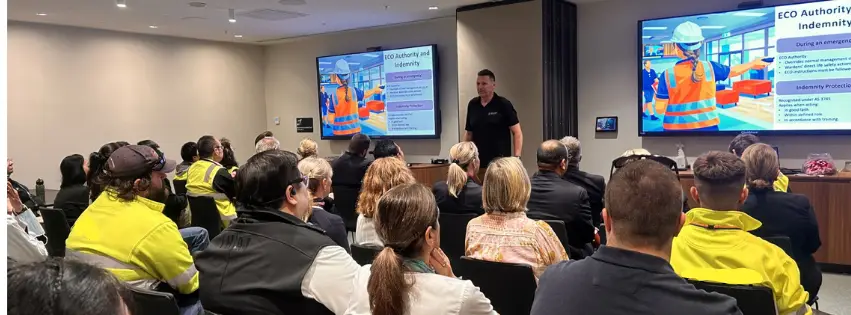
Some Australian legislation that may be applicable to your business in the mining industry may include, but may not be limited to:
- Mineral Titles Act 2010 (NT)
- Mines Safety and Inspection Act 1994 (WA)
- Mining Act 1971 (SA)
- Native Title Act 1993 (Cth)
- Offshore Minerals Act 2000 (SA)
- Opal Mining Act 1995 (SA)
- Emergency Management Act 2013 (VIC)
- Emergency Management Act 2005 (WA)
- State Emergency and Rescue Management Act 1989 (NSW)
- Disaster Management Act 2003 (QLD)
- Emergency Management Act 2004 (SA)
- Emergency Management Act 2006 (TAS)
- Emergency Management Act 2013 (NT)
New Zealand Mining industry legislation
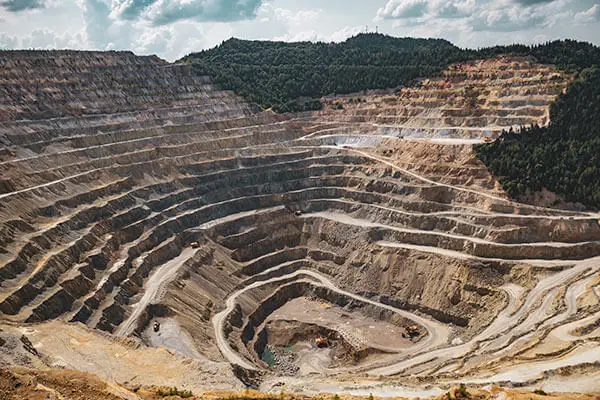
Some New Zealand legislation that may be applicable to your business in the mining industry may include, but may not be limited to:
- Crown Minerals Act 1991
- Mining Tenures Registration Act 1962
- Health and Safety at Work Act 2015
- Mines Rescue Act 2013
- Exclusive Economic Zone and Continental Shelf (Environmental Effects) Act 2012
This list is not exhaustive, and there may be additional legislation that is applicable to your circumstances, particularly if your business conducts mining activities.

Why Choose Resilient Services?
Resilient Services is led by experienced Emergency Management Consultants with real-world operational and emergency response experience across high-risk and remote-site environments. We help mining operations across Australia and New Zealand strengthen emergency preparedness, response capability, incident coordination, and organisational resilience through practical, tailored emergency management consulting services.
- Aligned with recognised standards including AS 3745 and ISO 22320:2018
- Informed by mining-specific legislative and regulatory frameworks, including state Mines Safety and Emergency Management Act obligations
- Tailored to your site's operational risks, including underground, surface, and remote-location hazards
- Practical, scenario-driven, and built around real mining incidents such as underground rescue, equipment entrapment, and tailings dam failure
- Designed to strengthen coordination, governance, communication, and response capability across operators, contractors, and emergency services
- Structured to deliver measurable organisational capability improvement, tested through site-based emergency exercises
Contact Us Now
Want to discover how we can assist your department with our services?
Want to discover how we can help your mining business prepare for a potential emergency and remain compliant with current legislation? Fill out an enquiry form or call us on 03 9003 9370 to find out more and to see how we can help your business prepare for the unknown.
Your Mining questions answered
Common questions
What is emergency response in mining?
Emergency response in mining is the set of procedures, training, and resources a mine site uses to manage incidents such as underground rescues, fires, chemical exposure, or equipment failure, with the goal of protecting personnel and limiting damage to operations and the environment.
Why is risk management important in the mining industry?
Mining risk management is important because mine sites combine high-hazard conditions (explosives, heavy machinery, confined spaces) with remote locations and strict regulatory obligations. Identifying and controlling these risks in advance reduces the likelihood and severity of incidents and helps the business stay compliant with state and federal legislation.
Who is responsible for emergency response planning on a mine site?
Responsibility typically sits with mine operators and site management, but effective plans involve input from safety officers, contractors, and emergency services, since incidents can involve personnel across all of these groups.
How often should a mining emergency response plan be tested?
Most regulators and industry guidance recommend testing through emergency exercises at least annually, with more frequent drills for higher-risk activities such as underground operations.
Strengthen Your Organisation’s Resilience
Practical emergency management, business continuity and crisis management advice backed by real-world experience.

Emergency Management & Business Continuity Specialists
- Review your current emergency preparedness and continuity capability
- Identify key risks, response gaps, and improvement opportunities
- Receive actionable next-step recommendations tailored to your organisation
What our clients are saying
“It was thoroughly enjoyable to work with the team at Resilient Services. Clearly, this team is enthusiastic, enjoys what they do, and is proud of what they produce.”
Head of Corporate Risk.
Oil and Gas Producer


“What stood out about Resilient was their practical approach. Meeting the team impressed me with their focus on practical solutions rather than theoretical consultant-driven approaches.”
Geelong Port.
General Manager for Health, Safety, Environment, & Quality
“Business continuity plan is comprehensive and flawless.”
Top 4 Australian
Accounting Firm 2021