

Emergency Management Consulting & Emergency Management Planning
Build Emergency Management Capability That Works Under Pressure
Practical emergency management frameworks, response procedures, training, and exercises designed to help organisations prepare for real-world incidents and operational disruptions.
Emergency management consulting is the practical planning, response procedures, training, and exercises organisations use to prepare for, respond to, and recover from incidents and emergencies. We are experienced Melbourne-based Emergency Management Consultants, supporting organisations across Australia and New Zealand to strengthen emergency preparedness, response capability, operational resilience, and continuity when disruption occurs.
Emergency management consulting is essential for improving organisational resilience and regulatory compliance. We deliver practical, compliant emergency management consulting solutions for organisations that operate in regulated, high-risk, and critical infrastructure environments — including government, energy, mining, water, ports, transport, and oil & gas — aligned with recognised standards such as ISO 22320:2018, ISO 22301, and AS 3745:2010, because effective emergency management depends on plans and procedures that meet Australian legislation, regulations, and best practice. Support spans emergency management planning, incident response frameworks, advisory during incidents, training and exercises, post-incident review, recovery support, and the four phases of emergency management: preparation, response, recovery, and mitigation.
Our approach goes beyond documentation — we focus on building real organisational capability so your team can prepare for disasters, build operational resilience before incidents occur, respond with clarity and confidence, meet legislative and standards obligations, minimise disruption, and protect people, assets, and operations when it matters most.
Our Emergency Management Consultants
We are fast becoming known as an industry leader in Emergency Management & Emergency Response Planning
We assess the commercial and operational risks that your business faces and plan for the hazards those risks create.
With this understanding, what we do supports the development of tailored practical solutions that your organisation can apply to build its resilience.






Our Approach to Emergency Planning & Response
What’s Included in Our Emergency Management Services
At Resilient Services, we provide a practical, end-to-end range of emergency management consulting services to support organisations before, during, and after incidents. Our approach is grounded in recognised emergency and incident management principles, tailored to your operating environment, risk profile, and governance requirements. We ensure all and align with relevant legislation and standards, including – Emergency Management Guidelines for Incident Management, with expert assistance provided before, during, and after incidents so your organisation is both compliant and operationally ready.
Emergency Planning Committees are integral to effective emergency management programs, helping ensure compliance with emergency management requirements and develop each site-specific plan.
Emergency Management Planning & Frameworks
We design and review comprehensive emergency management frameworks for a specific project or broader organisational needs, with clearly defined roles, responsibilities, escalation pathways, and response procedures, supported by emergency procedures manuals documenting assigned responsibilities, including onsite emergency planning logbooks kept for audits, with WHS regulation compliance in mind, noting that WHS Regulation 43 mandates emergency plans in workplaces, evacuation diagrams, and guidance for the chief warden. Our focus is on creating plans that are not only compliant, but practical, scalable, clear, actionable, understood across the organisation, and easy to implement under pressure, while helping clients strengthen procedures and using evacuation exercises to test how those arrangements work in practice.
Preparedness, Training & Exercising
We build organisational preparedness through targeted emergency management training, competency based training, and exercises that are essential for compliance as well as readiness, strengthening coordination, communication, and response capabilities, with programs that can include Chief Warden responsibilities and other role-specific preparedness. We also support clients by writing safety plans, translating technical requirements into clear instructions for different audiences, and running training drills. This includes executive briefings, incident management team training, and tailored programs covering specific emergency scenarios, with practical evacuation exercises that improve staff readiness through regular practice and simulations so teams feel prepared, build confidence, and enable teams to apply their roles with confidence before an emergency occurs.
Emergency Response Advisory
During an incident, we provide real-time advisory support to incident controllers and response teams, including time to discuss escalation options and response priorities with key personnel as part of the response decision-making process. This includes guidance on escalation, coordination, and response prioritisation—helping your organisation maintain control and make confident, informed decisions in high-pressure environments.
Post-Incident Review & Recovery Support
Following an incident, we conduct structured post-incident reviews (After Action Reviews) to evaluate organisation performance, provide feedback for improvement, and identify lessons learned, improvement opportunities, and performance gaps. We also support recovery planning to ensure your organisation can return to operations efficiently and achieve stronger future resilience.
Each phase provides a detailed step-by-step explanation of what your business will do in the event of an emergency.
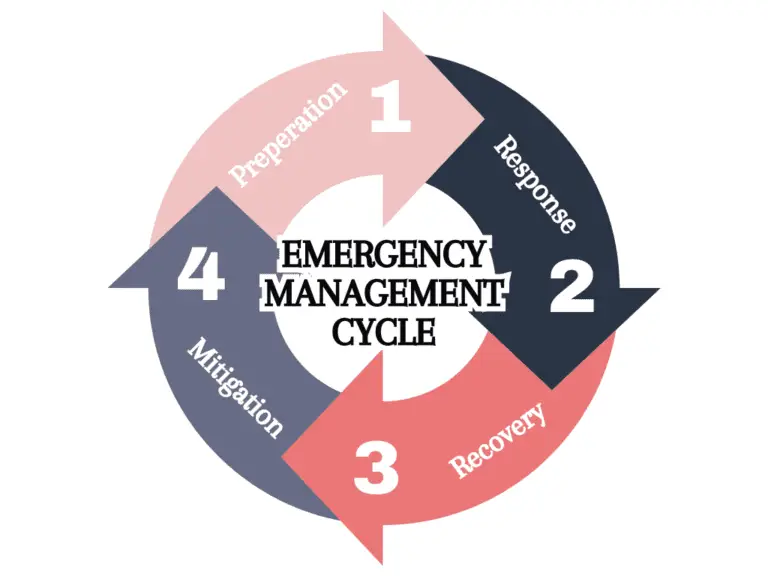
1. Preparation
Preparation is the foundation of any effective emergency plan. This phase involves helping businesses assess potential risks, develop clear and actionable emergency plans, and ensure the procedures are known by users before an emergency occurs. Businesses conduct risk assessments, establish emergency procedures, and train employees to ensure they are ready to act swiftly and effectively when a crisis occurs.
2. Response
Preparation is the foundation of any effective emergency plan. This phase involves helping businesses assess potential risks, develop clear and actionable emergency plans, and ensure the procedures are known by users before an emergency occurs. Businesses conduct risk assessments, establish emergency procedures, and train employees to ensure they are ready to act swiftly and effectively when a crisis occurs.
3. Recovery
The recovery phase focuses on restoring operations and minimising downtime after an emergency. This involves assessing the event’s impact, repairing damages, resuming business functions, and supporting employees and stakeholders. A well-structured recovery plan helps businesses return to normal operations quickly, reducing financial and reputational risks.
4. Mitigation
Mitigation is the proactive approach to reducing the likelihood and impact of future emergencies. This phase includes implementing long-term strategies such as infrastructure improvements, policy updates, risk monitoring, and investment in resilient technologies. By learning from past events and strengthening preparedness efforts, businesses can minimise vulnerabilities and enhance their ability to withstand future disruptions.
Strengthen Your Organisation’s Resilience
Practical emergency management, business continuity and crisis management advice backed by real-world experience.

Emergency Management & Business Continuity Specialists
- Review your current emergency preparedness and continuity capability
- Identify key risks, response gaps, and improvement opportunities
- Receive actionable next-step recommendations tailored to your organisation
Enables Faster Incident Detection and Escalation
A well-designed emergency management system allows organisations to identify incidents early and escalate them through the appropriate channels before they become critical.
Improves Coordination Across Teams and Agencies
Effective emergency response planning ensures seamless coordination between internal teams, contractors, and external emergency services, reducing confusion during incidents.
Enhances Safety and Reduces Risk to People
Robust emergency procedures help minimise injuries, protect personnel, and create a safer working environment during emergencies.
Reduces Financial Loss and Operational Impact
A structured emergency management plan helps limit downtime, prevent asset damage, and reduce the overall financial impact of incidents.
Strengthens Communication During Emergencies
An integrated emergency communication framework ensures accurate, timely information is delivered to the right stakeholders when it matters most.
Optimises Resource Allocation in Crisis Situations
Effective incident response planning enables organisations to deploy personnel, equipment, and resources efficiently during emergency events.
Builds Employee Confidence and Trust
When employees understand and trust the emergency response plan, they feel more secure, engaged, and prepared to act during incidents.
Increases Organisational Preparedness for Complex Scenarios
Regular training, simulations, and emergency preparedness exercises improve readiness and ensure teams can respond effectively to high-impact scenarios.
Strengthens Long-Term Organisational Resilience
Embedding strong emergency management practices fosters a proactive culture, improving the organisation’s ability to anticipate, respond to, and recover from disruptions.

Emergency management and emergency response planning involve a structured process used across a range of foreseeable incidents to reduce the impact of emergency and crisis events on an organisation. These activities focus on preparing for, responding to, and recovering from incidents that may threaten people, operations, reputation, or business continuity.
Effective emergency management planning establishes defined roles, procedures, response teams, and decision-making structures so staff are prepared to respond quickly before an incident occurs. By establishing these frameworks in advance, organisations can respond quickly and minimise disruption when emergencies arise.
Effective management of both crises and emergencies enables organisations to minimise disruption, maintain operational continuity, and strengthen overall organisational resilience — even in highly uncertain or fast-moving situations.
An effective emergency management system is critical and essential to reducing the operational and business impacts of emergency events.
At Resilient Services, we apply the widely recognised emergency management cycle to guide planning and response activities. This cycle comprises preparation, response, recovery, and mitigation, with each phase providing clear and practical guidance on how an organisation will act before, during, and after an emergency. Health, safety, and operational continuity all depend on strong emergency planning.


Why Choose Resilient Services?
Resilient Services is led by experienced Emergency Management Consultants with real-world operational, emergency management experience, and emergency response experience across complex organisational and regulatory environments. We help organisations across Melbourne and Australia strengthen emergency preparedness, response capability, incident coordination, and organisational resilience through practical, tailored emergency management consulting services.
Our emergency management programs are:
- Aligned with recognised standards including AS 3745 and ISO 22320:2018
- Informed by Victorian legislative and emergency management frameworks, including Part 7A obligations
- Tailored to your organisation’s operational risks, industry, and compliance requirements
- Practical, scenario-driven, and focused on real-world application
- Designed to strengthen coordination, governance, communication, and response capability
- Structured to deliver measurable organisational capability improvement
We focus on building confidence, coordination, and operational resilience — not simply delivering plans or training hours.
Industries that are offered Emergency Management Systems
Strengthen Your Emergency Response Capability
Fill out the enquiry form — or call 03 9003 9370 — to learn how our Emergency Management and Response Planning services can help your organisation prepare for, respond to, and recover from crises and disruptions.
"*" indicates required fields
What our clients are saying
“It was thoroughly enjoyable to work with the team at Resilient Services. Clearly, this team is enthusiastic, enjoys what they do, and is proud of what they produce.”
Head of Corporate Risk.
Oil and Gas Producer


“What stood out about Resilient was their practical approach. Meeting the team impressed me with their focus on practical solutions rather than theoretical consultant-driven approaches.”
Geelong Port.
General Manager for Health, Safety, Environment, & Quality
“Business continuity plan is comprehensive and flawless.”
Top 4 Australian
Accounting Firm 2021
Your Emergency Management questions answered
Common questions
What industries does Resilient Services specialise in serving?
Resilient Services specialises in serving a variety of industries, including:
- Critical Infrastructure
- Energy and Power
- Government and Regulators
- Industrial and
- Manufacturing
- Maritime
- Mining
- Office/Corporate
- Oil, Gas and Petroleum
- Water
What is emergency management?
Emergency management is the discipline focused on protecting life, property and the environment during immediate, time-critical incidents. It involves planning, procedures, and actions undertaken before, during, and immediately after an emergency to reduce harm and stabilise the situation. Emergencies typically require rapid response and clear command structures.
Why is emergency management important for organisations?
Emergencies can occur without warning and escalate quickly. Effective emergency management helps organisations:
Protect staff, contractors and visitors
Reduce the severity of injuries and damage
Ensure fast, coordinated responses under pressure
Meet legal and safety obligations
Prevent small incidents from escalating into major crises
Without clear emergency arrangements, confusion and delayed decisions can significantly increase risk.
What types of incidents does emergency management cover?
Emergency management applies to incidents such as:
Fires, explosions or hazardous material releases
Medical emergencies or serious injuries
Natural hazards (storms, floods, bushfires)
Evacuations and shelter-in-place scenarios
Infrastructure or utility failures that pose immediate risk
The focus is always on immediate safety and control of the incident.
How is emergency management different from disaster and crisis management?
While closely linked, each discipline has a distinct role:
Emergency management focuses on immediate response to protect life and control the incident.
Disaster management covers the broader lifecycle, including preparedness, mitigation, response and recovery from large-scale disruptions.
Crisis management addresses leadership decision-making, communications and reputation during high-impact events.
Emergency management controls the incident. Crisis management controls the outcome.
What are the key components of an emergency management plan?
A well-designed emergency management plan typically includes:
Clear emergency roles and responsibilities
Incident command and escalation structures
Evacuation and shelter procedures
Communication protocols and contact lists
Emergency equipment and resource requirements
Training and drill schedules
Plans should be simple, practical and easy to follow under stress.
Who is responsible for emergency management within an organisation?
Emergency management is a shared responsibility. Leadership sets expectations and resources, while trained wardens, response teams and staff play defined roles during an incident. Clear accountability ensures decisions are made quickly and actions are coordinated effectively when seconds matter.
How often should emergency plans be reviewed and tested?
Emergency plans should be:
Reviewed at least annually
Updated after organisational changes or incidents
Tested regularly through drills and exercises
Practice builds familiarity, confidence and muscle memory, helping teams respond calmly and effectively in real emergencies.
How does emergency management support business continuity?
Effective emergency management reduces the immediate impact of incidents, making it easier for business continuity and recovery plans to take effect. By stabilising the situation quickly, organisations can limit downtime, protect critical assets and transition smoothly into recovery activities.
How can Resilient Services support emergency management?
Resilient Services supports organisations by:
Developing and reviewing emergency management plans
Designing clear command and response frameworks
Delivering training, exercises and simulations
Supporting compliance and best-practice standards
Integrating emergency management with broader resilience, disaster and crisis frameworks
This ensures your emergency arrangements are practical, compliant and aligned with your overall resilience strategy.
What does an emergency management consultant do?
An emergency management consultant helps organisations prepare for, respond to, and recover from emergencies and operational disruptions. This includes developing emergency management plans, evacuation procedures, incident response frameworks, emergency exercises, training programs, and communication processes to improve organisational preparedness and compliance. Consultants also help organisations align their emergency management capability with recognised standards, legislation, and operational risks.
How can emergency management consulting improve organisational resilience?
Emergency management consulting helps organisations build resilience by improving preparedness, response coordination, decision-making, and recovery capability during emergencies. Through practical planning, training, and exercises, organisations can better protect people, reduce operational disruption, improve communication, strengthen compliance, and increase confidence when responding to incidents such as fires, severe weather events, infrastructure failures, security incidents, or workplace emergencies.
What industries require emergency management planning?
Emergency management planning is important for organisations across many industries, particularly those responsible for people, critical operations, infrastructure, or public safety. Industries commonly requiring emergency management planning include healthcare, education, construction, manufacturing, logistics, energy, government, mining, transport, aviation, ports, water, and corporate facilities. Many organisations also have legislative or compliance obligations requiring emergency preparedness and response planning.
What is ISO 22320?
International Organization for Standardization ISO 22320 is an international standard that provides guidance for emergency management and incident response. It outlines best-practice principles for command and control, operational coordination, communication, information management, and incident response structures during emergencies and disruptive events. ISO 22320 helps organisations develop consistent, scalable, and effective emergency management frameworks that improve coordination and decision-making during critical incidents.