

Crisis Management Consultants
Build Real-World Crisis Management Capability — Not Just Plans
Build Real-World Crisis Management Capability — Not Just Plans
We help organisations strengthen crisis preparedness through practical frameworks, executive training, and exercises designed for real-world emergencies- our approach improves decision-making, communication, escalation, and response capability during major events.
Business Crisis Management Planning Consultants & Advisors
Resilient Services are experienced Crisis Management Consultants, supporting organisations in preparing for, responding to, and recovering from high-impact events and critical incidents. Our crisis management consultancy works closely with executive teams, boards, and leadership groups to strengthen decision-making, protect reputation, and maintain operational stability during periods of extreme disruption.
Crisis management is the work of preparing for, responding to, and recovering from high-impact events so organisations can protect people, reputation, assets, and business continuity. We deliver practical, compliant crisis management solutions aligned with recognised standards, including ISO 22320:2018, supporting an effective crisis management strategy and crisis communication for executive teams, boards, and leadership groups across Melbourne, Australia, and New Zealand. Our approach combines structured crisis planning, executive training, exercises, risk assessment, and calm, real-time advisory support to help leaders navigate uncertainty, meet compliance obligations, minimise disruption, and strengthen business continuity. This structured approach builds organisational resilience and helps organisations minimise damage when a crisis occurs.
Our Crisis Management Consultants & Advisors
We are fast becoming known as an industry leader in Crisis Management
We understand the commercial and operational potential risks and potential threats that your business faces and tailor carefully crafted solutions to treat those risks.
With this understanding, what we do offers tailored practical solutions that your organisation can apply to build its resilience. This work also helps prevent crises before they escalate.







At Resilient Services, we offer a wide range of crisis management services tailored to your business’s specific needs, including support for different types of crises and potential crises. We recognise that every organisation is different and will require a unique set of management procedures. Depending on your circumstances, we can offer and are not limited to the following services:
After action reviews (to capture learnings and provide continuous improvement opportunities)
Crisis communication plans
Crisis management plans, frameworks and documentation (corporate and operational)
Crisis and exercises and simulations
Emergency preparedness consultant
Detailed analysis reports into cause and effect
Resilience policy and planning development
Risk management and mitigation plans informed by risk analysis
Safety reports
Security risk assessments
Crisis management plans are written to meet government legislation and or ISO 22320:2018 – Security and resilience – Emergency Management – Guidelines for incident management.
Crisis Management Advisory
When Should You Engage a Crisis Management Consultant?
Organisations don't need to wait for a crisis to engage a crisis management consultant. External support can be particularly valuable when developing or reviewing crisis arrangements, preparing leadership teams for high-impact events, or assessing whether existing plans will work under pressure.
Your Crisis Plan Needs Updating
Your organisation has a crisis plan, but it hasn't been reviewed, exercised or updated following organisational change, new risks or changes in key personnel.
You're Preparing for a Major Change
Mergers, restructures, major projects, new operating environments and emerging risks can all change your crisis exposure and the way your organisation needs to respond.
Your Crisis Team Hasn't Been Tested
A documented plan doesn't necessarily mean the team is prepared to use it. Exercises and scenario testing can help identify gaps in roles, escalation and decision-making.
An Incident Has Exposed Gaps
A recent event, exercise or after action review may have identified weaknesses in escalation, communication, coordination or decision-making that need to be addressed.
Executives Need Greater Confidence
Leadership teams may need clearer roles, stronger escalation pathways and more practical experience making decisions when information is incomplete and time is limited.
You Need Independent Advice
An external crisis management advisor can provide an objective view of your current arrangements, identify capability gaps and help prioritise practical improvements.
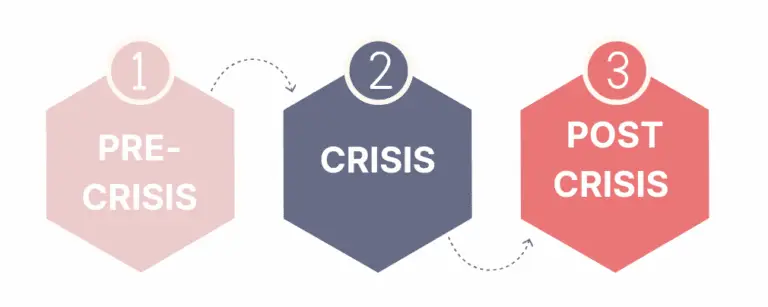
Pre-Crisis:
The pre-crisis phase is a preventative stage focused on identifying potential threats through risk analysis and early warning processes before a crisis develops. Our crisis management consultants help business leaders develop crisis preparedness by creating crisis management plans, conducting risk assessments, strengthening situational awareness, and establishing a tailored strategic response so the crisis management team can manage events and make informed decisions. Through proactive crisis planning that identifies vulnerabilities and implements preventative measures, we help businesses minimise disruption and operational downtime, build resilience, and ensure they are well-prepared for potential disruptions. Regular testing of the crisis plan helps reveal weaknesses before a real incident occurs.
Crisis:
During the response phase, organisations activate their Crisis Management Plan to assess the situation, support executive decision-making, and coordinate an effective response. A dedicated Crisis Management Team, including executives, operations, human resources, and communications, works together to manage the incident and maintain clear communication with key stakeholders. Crisis management consultants provide strategic advice during live events, helping leaders make informed decisions, coordinate response efforts, and minimise operational, financial, and reputational impacts. With social media accelerating the spread of information, timely, consistent communication is essential to maintaining trust throughout the crisis.
Post-Crisis:
The post-crisis phase focuses on a thorough review of the response and implementing strategies to improve crisis management for future occurrences. Our consultants conduct an After Action Review (AAR) to evaluate the effectiveness of their crisis response through a detailed analysis of what happened, identify lessons learned, assess the negative impact on operations and reputation, and refine their crisis management plans. Continuous improvement ensures greater preparedness and resilience against future crises. Lessons learned from this review strengthen future responses and support successfully managing later events.
Benefits of Crisis Management Planning
Reduces Impact and Minimises Operational Downtime
A well-developed crisis management plan enables organisations to identify and contain incidents early, reducing disruption and protecting people, assets, and critical operations.
Maintains Business Continuity During Disruptions
Clear crisis response procedures ensure essential business functions continue operating, even during high-impact incidents or emergencies.
Strengthens Organisational Resilience and Recovery
A mature crisis management framework improves preparedness, enabling faster recovery and more effective responses to future disruptions.
Protects reputation and stakeholder trust
Effective crisis communication strategies ensure timely, transparent updates to employees, customers, and partners, helping minimise reputational damage.
Improves Decision-Making Under Pressure
Defined roles, responsibilities, and escalation pathways within a crisis response plan allow leadership teams to act quickly and confidently in high-stress situations.
Supports legal, governance, and compliance requirements
A proactive crisis management approach helps organisations meet regulatory obligations, governance standards, and duty-of-care responsibilities.
Enhances Leadership Capability and Readiness
Ongoing crisis management training and exercises prepare leaders to respond with clarity, control, and confidence during complex incidents.
Builds a Culture of Preparedness
Regular simulations, scenario testing, and incident management planning embed awareness, coordination, and teamwork across the organisation.
Drives Continuous Improvement Through Lessons Learned
Structured After Action Reviews (AARs) capture insights from real incidents and exercises, strengthening future crisis management strategies and response plans.
Strengthen Your Organisation’s Resilience
Practical emergency management, business continuity and crisis management advice backed by real-world experience.

Emergency Management & Business Continuity Specialists
- Review your current emergency preparedness and continuity capability
- Identify key risks, response gaps, and improvement opportunities
- Receive actionable next-step recommendations tailored to your organisation

Crisis management planning helps organisations prepare for different crisis scenarios and common types of crises that may threaten operations, reputation, people, or financial stability. Unlike routine incidents, crises require executive-led decision-making, coordinated communication, and clear governance under pressure.
A crisis management plan establishes leadership responsibilities, escalation pathways, and communication frameworks to help organisations respond effectively during major disruptions such as cyber incidents, technological failures including data breaches and cyber attacks, financial crises including economic downturns, market crashes, or fraudulent activities, natural disasters, and criminal or confrontation events such as extortion, protests, or boycotts. Depending on the organisation’s risk profile, planning may also address workplace violence, supply chain disruptions, or a terrorist attack.
Effective crisis management planning helps organisations protect people and reputation, improve decision-making, maintain stakeholder confidence, reduce operational impacts, and strengthen long-term organisational resilience.
The Importance of Crisis Management Plans, Frameworks & Executive Exercises
Crisis management plans, crisis management frameworks, policies, and executive exercises are essential for helping organisations prepare before a crisis strikes, especially where high-consequence events may threaten operations, reputation, financial stability, or stakeholder confidence. By establishing clear governance structures, decision-making authority, escalation pathways, and communication protocols, with defined roles for senior leadership and each key team member, organisations are better equipped to respond strategically and maintain control during periods of significant disruption.
Regular crisis exercises and scenario testing also help leadership teams build confidence, improve coordination, and validate that crisis response arrangements will function effectively under pressure. When embedded effectively, crisis management capability supports stronger decision-making, reduces operational and reputational impacts, and strengthens long-term organisational resilience.
Scenario testing is a best practice for validating a crisis management strategy under a worst-case scenario, including a cybersecurity breach.


Why Choose Resilient Services?
Resilient Services provides practical crisis management consulting aimed at helping organizations prepare for, respond to, and recover from high-consequence events and organisational disruptions. Our experienced Crisis Management Consultants support organisations across Melbourne and Australia in maintaining normal operations and stabilising business operations during disruption, while strengthening crisis preparedness, executive decision-making, incident coordination, and organisational resilience during complex situations.
We focus on building real capability through practical frameworks, crisis governance structures, executive exercises, escalation processes, and scenario-based preparedness, because strong consultants focus not just on documentation but also on building internal capabilities. This approach also supports a company’s response across internal and external pressures.
Our crisis management consulting services are:
- Aligned with recognised frameworks including ISO 22320:2018
- Tailored to your organisation's operational risks and industry requirements, with industry experience helping consultants understand specific threats such as data breaches and regulatory issues
- Designed to strengthen executive coordination and crisis decision-making
- Practical, scenario-driven, and focused on real-world response capability
- Supported through crisis exercises, workshops, and continuous improvement programs
- Focused on protecting people, operations, reputation, and organisational continuity
We help organisations improve crisis preparedness, strengthen leadership confidence, and build resilient crisis management capability before critical events occur. This can help organisations restore confidence after negative publicity and shifts in public perception or public sentiment.
Industries that are offered Crisis Management Systems
Strengthen Your Crisis Management Capability
Use the form below or speak with our team on 03 9003 9370 to discover how our crisis management planning, training, and support can enhance your organisation’s readiness and resilience.
"*" indicates required fields
What our clients are saying
“Business continuity plan is comprehensive and flawless.”
Top 4 Australian
Accounting Firm 2021


Your Crisis Management questions answered
Common questions
What industries does Resilient Services specialise in serving?
Resilient Services specialises in serving a variety of industries, including:
- Critical Infrastructure
- Energy and Power
- Government and Regulators
- Industrial and
- Manufacturing
- Maritime
- Mining
- Office/Corporate
- Oil, Gas and Petroleum
- Water
What is a crisis management plan?
A crisis management plan is a formal document that defines how an organisation prepares for, responds to, and recovers from sudden, disruptive events that threaten its operations, reputation, people, or assets. It outlines roles, responsibilities, escalation processes, and communication protocols to ensure response actions are structured, timely, and effective.
How does crisis management fit into organisational resilience?
Crisis management is a core component of organisational resilience. Resilience is the broader capability of an organisation to anticipate, absorb, and adapt to change or disruption, while crisis management focuses on structured responses during a high-impact, time-critical event. Effective crisis management planning strengthens resilience by preparing leadership and teams to respond confidently and recover more quickly from disruptions.
What kinds of crises should an organisation plan for?
Crises can arise from many sources, including:
Natural events (e.g., storms, bushfires, floods)
Operational failures or supply chain breakdowns
Cybersecurity breaches or IT outages
Reputational or media crises
Regulatory or compliance shocks
Pandemics or health-related emergencies
The goal of planning is not to predict every scenario but to equip organisations with flexible, scalable strategies to manage diverse threats.
Do you provide crisis management software or tools?
Yes. We offer access to specialised tools that support incident logging, communication, task tracking, and real-time situational awareness, helping streamline your response – that’s why we have created BRUCE.
How does Resilient Services support organisations during an actual crisis?
Resilient Services provides expert guidance and operational support throughout a crisis. This includes supporting strategic decision-making, coordinating response activities, communicating with stakeholders, and ensuring continuity of essential operations—ensuring leaders can act with clarity and confidence throughout the event.
How do crisis management and business continuity planning interact?
Crisis management and business continuity complement each other. Crisis management involves an immediate, strategic response to a disruptive event. Business continuity planning ensures that critical operations can continue throughout and beyond that event—even under stress. Together, they protect the organisation’s performance, reputation and long-term viability.
Why is proactive crisis planning valuable for an organisation?
Proactive crisis planning:
Minimises disruption and operational downtime
Protects stakeholder confidence and organisational reputation
Enhances decision-making under pressure
Supports legal, governance and compliance needs
Turns lessons into continuous improvement across teams and frameworks
A strong crisis plan reduces reactive decision-making and builds organisational trust and credibility.
What does a crisis management consultant do?
A crisis management consultant helps organisations prepare for, respond to, and recover from high-consequence events that may impact people, operations, reputation, or business continuity. This includes developing crisis management plans, governance frameworks, escalation processes, communication strategies, training programs, and crisis exercises to improve organisational readiness and decision-making during critical incidents.
Why should organisations engage crisis management consultants?
Engaging experienced crisis management consultants helps organisations strengthen preparedness before a crisis occurs. External consultants provide objective advice, industry experience, and practical frameworks aligned with recognised standards and regulatory requirements. Effective crisis management planning can help reduce confusion, improve coordination, protect reputation, support executive decision-making, and minimise operational disruption during major incidents.
What is the difference between crisis management and emergency management?
Emergency management typically focuses on operational response to immediate incidents such as evacuations, fires, medical emergencies, or site-based disruptions. Crisis management focuses on the strategic and executive-level response required during high-impact events that may threaten organisational reputation, operations, stakeholders, or long-term viability. While emergency management manages the incident itself, crisis management oversees broader organisational coordination, governance, communication, and recovery.
What industries benefit from crisis management consulting?
Crisis management consulting benefits organisations across a wide range of industries, particularly those operating in complex, regulated, or high-risk environments. This includes critical infrastructure, energy, healthcare, government, manufacturing, transport, logistics, construction, ports, aviation, education, finance, mining, and corporate sectors. Any organisation responsible for people, operations, assets, or public reputation can benefit from structured crisis management capability and preparedness planning.